
Permanent dental prosthetics is the optimal solution for restoring lost teeth using fixed techniques, without the need for removal like traditional dentures. The false tooth is tightly bonded to the dental arch, providing stability, aesthetics, and chewing function almost like natural teeth.
Currently, there are two popular forms: dental implant placement and fixed dental bridges. Implants use a Titanium post placed directly into the jawbone, while dental bridges use adjacent natural teeth as abutments to support the bridge replacing the missing tooth.
With their ability to restore durable chewing, high aesthetics, and long lifespan, permanent dental prosthetics are considered the optimal choice for those who want a comprehensive restoration of lost teeth.
Cases Requiring Permanent Dental Prosthetics
Not everyone needs to use removable dentures, because in many cases, a permanent dental prosthetic solution will be more suitable and provide longer-lasting effectiveness. Below are the patients who are often recommended by dentists to choose this method.
Missing 1 or More Teeth Due to Decay or Trauma
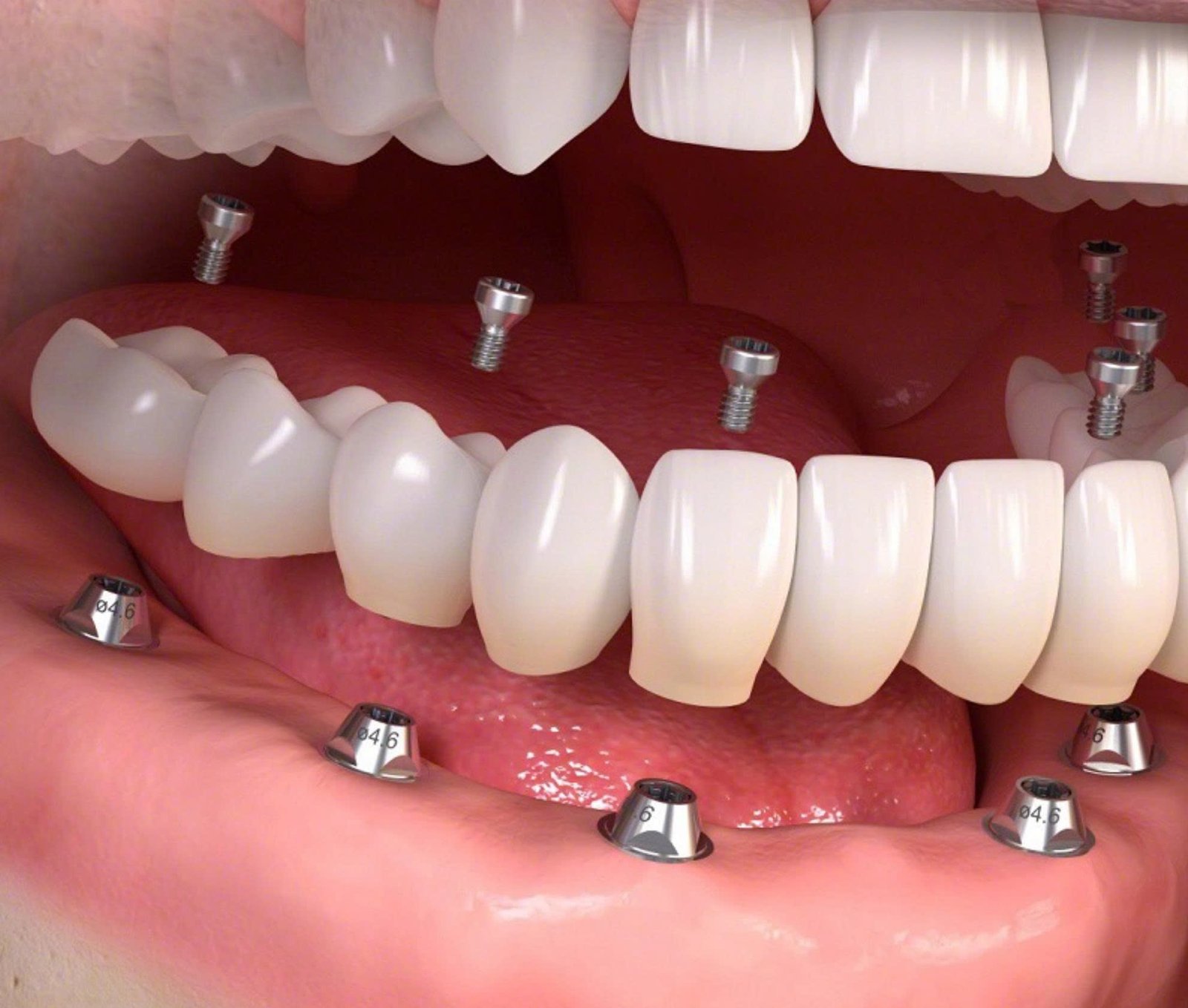
People who have lost teeth due to severe decay, pulpitis, trauma, or accidents can choose permanent dental prosthetics to restore chewing function. Placing a dental implant or a dental bridge not only fills the gap but also helps prevent jawbone resorption, keeping the remaining teeth from shifting.
People Who Do Not Want to Use Removable Dentures
Many people find removable dentures inconvenient, bulky, or lose confidence when using them. For them, permanent dental prosthetics are the ideal solution because of their high stability; the teeth are fixed, do not need to be removed for cleaning, and are both more convenient and more aesthetic in communication.
People Seeking Long-Term Tooth Restoration
Permanent dental prosthetics are especially suitable for young or middle-aged people—those who need a durable and stable long-term solution. Implants can last a lifetime if cared for properly, while dental bridges also provide 7–10 years of effectiveness. This helps patients feel secure in their daily life and eating habits without worrying about frequent replacement.
Popular Permanent Dental Prosthetic Methods
In modern dentistry, there are two main techniques applied to restore permanent dental prosthetics: dental implant placement and fixed dental bridges. Each method has its own advantages and disadvantages, suitable for different missing tooth conditions and the patient’s financial capabilities.
Dental Implant Placement
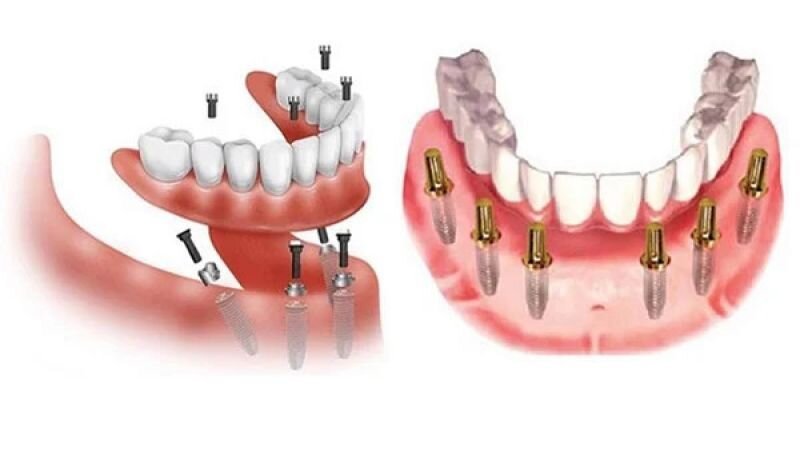
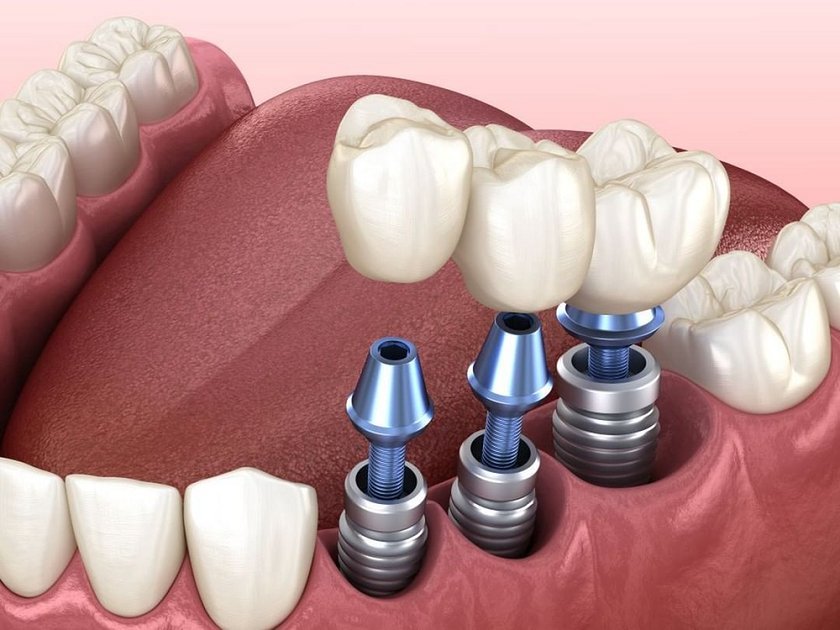
Dental Implant placement is the most modern method, using a Titanium post inserted directly into the jawbone to replace the natural tooth root. After the post integrates with the bone, the doctor will attach a porcelain crown on top to restore the tooth’s shape and function.
-
Advantages: Durable, natural chewing, high lifespan (20 years – a lifetime), prevents jawbone resorption, and does not affect adjacent natural teeth.
-
Disadvantages: Higher cost than other methods, requires surgery, and the time to wait for bone integration is long, lasting from 2–6 months.
Fixed Dental Bridge
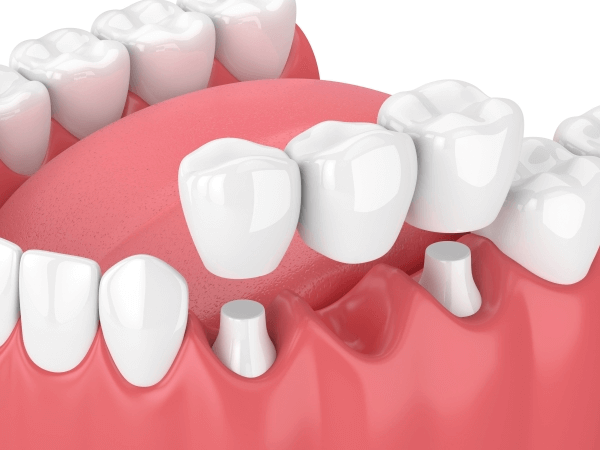
A fixed dental bridge is a traditional method, where two natural teeth adjacent to the missing tooth position are ground down to act as abutments, and then a bridge of porcelain teeth is attached to replace the missing tooth.
-
Advantages: Lower cost than Implants, quick completion time (only 3–7 days), high aesthetic appeal, and better chewing function than removable dentures.
-
Disadvantages: Requires grinding healthy natural teeth to act as abutments, potentially damaging enamel, does not prevent bone resorption, and the lifespan is typically only 7–10 years.
Overall, Implants are the optimal solution for permanent tooth restoration, but dental bridges are still a suitable choice for those who want to save costs and achieve quick restoration.
Advantages of Permanent Dental Prosthetics
Compared to removable dentures, permanent dental prosthetics offer many superior benefits in terms of both function and aesthetics. This is why more customers are choosing Implants or fixed dental bridges instead of traditional removable dentures.
Restores Chewing Ability
Permanent dental prosthetics help restore chewing ability almost like natural teeth. Patients can comfortably bite, tear, and grind food without worrying about looseness or bulkiness like with removable dentures. This significantly improves the quality of meals and reduces the burden on the digestive system.
Ensures Smile Aesthetics
Permanent dental prosthetics have a natural color and shape, bringing harmony to the face and smile. Especially, high-end Implant and porcelain bridge teeth are almost indistinguishable from real teeth, helping users feel more confident in communication and daily activities.
Prevents Jawbone Resorption (Implants)
For Implants, the outstanding advantage is the ability to prevent jawbone resorption—a common problem with long-term tooth loss. Thanks to the Titanium post placed directly into the bone, the jawbone area is stimulated and maintained stably, preventing sunken cheeks and premature facial aging.
Long-Term Durability
Permanent dental prosthetics provide long-lasting usability, especially Implants. If cared for correctly, Implants can last a lifetime without needing replacement. Although dental bridges have a shorter lifespan (7–10 years), they are still much more durable and stable than removable dentures.
It is clear that permanent dental prosthetics not only meet the needs for chewing and aesthetics but also bring comfort, durability, and longevity, making them a worthy priority choice for tooth restoration.
The Procedure for Permanent Dental Prosthetics
The procedure for permanent dental prosthetics is performed according to standard medical steps, aiming to ensure safety and provide optimal results for the patient. Below are the basic stages that most reputable dental clinics apply.
Examination and X-ray
The doctor will perform a general oral examination and take an X-ray to evaluate the condition of the jawbone, gums, and remaining teeth. The image results help accurately determine the position of the missing tooth, the degree of bone loss, and thus select the appropriate restoration solution.
Treatment Planning
Based on the collected data, the doctor will develop a personalized treatment plan for each patient. The plan includes selecting the method (Implant or dental bridge), estimating the time, cost, and execution steps. This helps the patient clearly understand the roadmap before proceeding.
Performing Placement / Bridge Bonding
In this step, the doctor will perform the chosen restoration technique. With Implants, the Titanium post is placed into the jawbone to replace the tooth root. With a dental bridge, the two adjacent natural teeth are ground down to serve as abutments, and then the fixed dental bridge is bonded onto them.
Care and Re-examination
After the restoration is complete, the patient is given detailed instructions on how to care for the permanent dental prosthetic. Simultaneously, periodic follow-up appointments must be adhered to so the doctor can monitor stability, ensuring the prosthetic remains durable and maintains chewing function long-term.
Cost of Permanent Dental Prosthetics
The cost of permanent dental prosthetics is not fixed but varies depending on the method, material, and individual oral condition. To accurately estimate the budget, the following influencing factors should be considered:
Restoration Method
The type of technique chosen is the biggest determinant of the cost. Dental Implant placement usually has a much higher cost than a dental bridge, due to the surgical requirement and premium materials. Meanwhile, a dental bridge has a moderate price, suitable for those who want to save costs while still ensuring aesthetics.
Material of the Porcelain Crown and Implant Post
The cost also depends heavily on the type of material used. With a dental bridge, metal-fused porcelain has a low price but limited aesthetics and lifespan, while all-porcelain Zirconia or E.max are more expensive but provide durable, natural results. Similarly, Korean Implants are lower priced than American or German Implants, which are highly rated for their durability and bone integration capabilities.
Number of Teeth to be Restored
Losing one tooth and losing multiple teeth will have different cost levels. Someone missing only 1–2 teeth will need fewer porcelain crowns or fewer Implant posts compared to cases of multiple consecutive missing teeth. Additionally, the doctor may combine a dental bridge attached to 2–3 Implant posts to save costs while still ensuring effectiveness.
Condition of Jawbone and Gums
If the jawbone is severely resorbed or the gums are weak, the patient may need bone grafting or a sinus lift before Implant placement. This is a factor that increases the cost and prolongs the treatment time. Conversely, if the jawbone is still good, the process will be simpler and the cost lower.
Doctor’s Expertise and Dental Technology
Highly experienced doctors and modern equipment will ensure safe, aesthetic, and long-lasting results. However, the cost at these facilities is often higher than at small clinics. Nevertheless, investing in quality is necessary, because errors in permanent dental prosthetics can cause hard-to-fix complications.
In summary, the cost of permanent dental prosthetics ranges from a few million to tens of millions VND, depending on the case. To find out the exact number, you should visit Nha khoa 3C for an examination and direct consultation.
Should I Choose Permanent or Removable Dental Prosthetics?
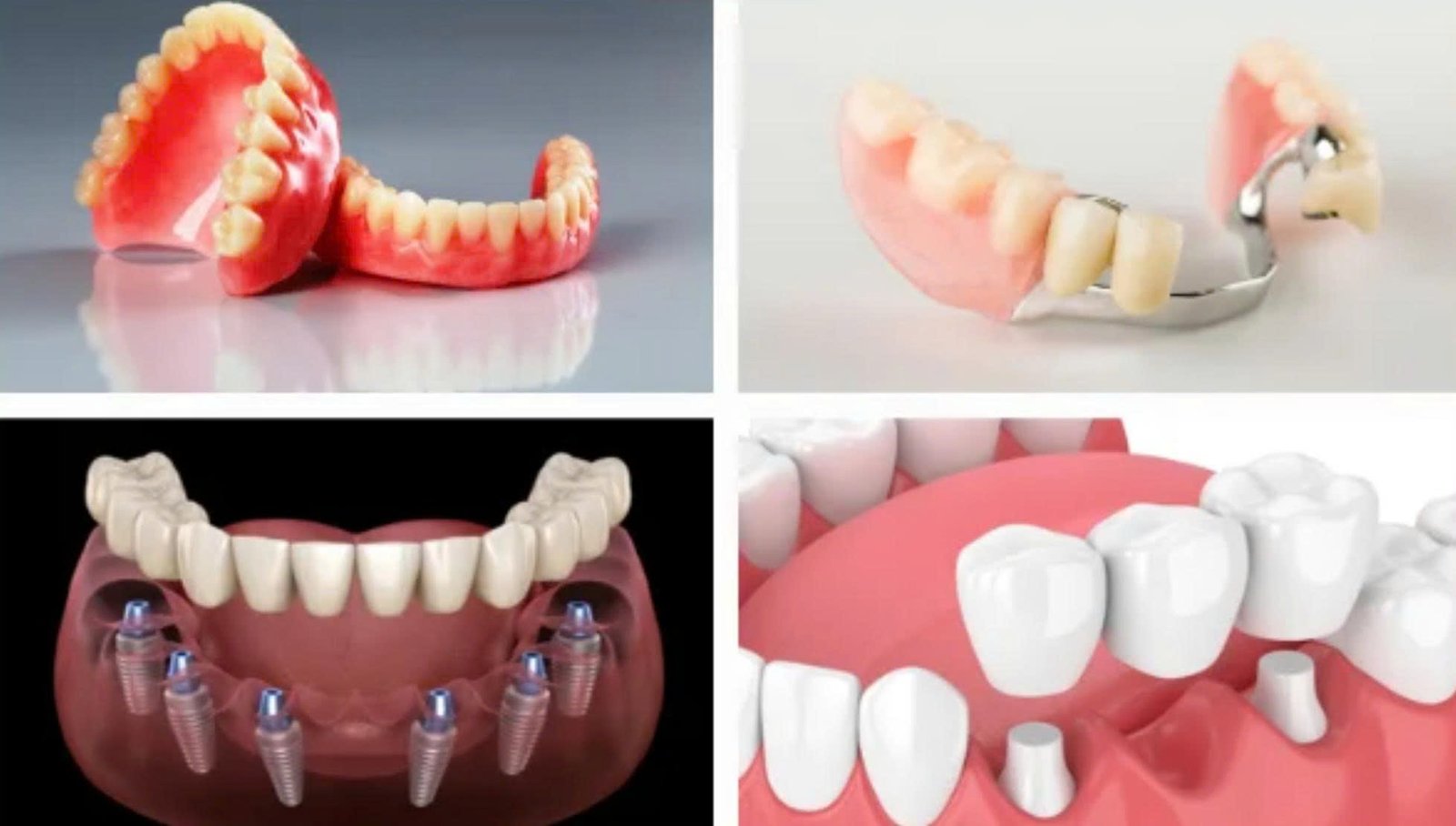
When facing tooth loss, many people are undecided between getting removable dentures or permanent dental prosthetics. Each method has its own pros and cons, suitable for different needs and financial conditions.
Removable Dentures
Removable dentures have the lowest cost, are easy to make, and are suitable for the elderly or those with frail health. However, this method is less durable, causes a bulky feeling when chewing, requires daily removal for cleaning, and does not prevent jawbone resorption. Therefore, it should only be considered a temporary solution.
Permanent Dental Prosthetics
Permanent dental prosthetics using Implants or dental bridges provide high durability, natural aesthetics, and chewing function almost like real teeth. Implants are particularly superior because they prevent jawbone resorption and can last a lifetime. Although the cost is higher, this is a long-term investment in health and quality of life.
Overall, removable dentures are suitable for those who want a short-term, low-cost solution. Meanwhile, permanent dental prosthetics are the priority choice for young, middle-aged people, or anyone who desires a durable, aesthetic, and stable long-term tooth restoration.
3C Dental Clinic – Reputable Permanent Dental Prosthetic Clinic
To achieve high effectiveness and safety when getting permanent dental prosthetics, choosing a reputable dental clinic is the foremost important factor. At 3C Dental Clinic, we have successfully performed hundreds of Implant and dental bridge restoration cases, providing a durable smile for our customers.
-
Team of Highly Qualified Doctors: The doctors at 3C Dental Clinic have many years of experience in the field of Implant placement and porcelain crown restoration, ensuring precise and safe treatment.
-
Modern Equipment: The application of 3D CT Cone Beam technology, CAD/CAM digital dental design software, and a dental impression scanner helps restoration be quick, accurate, and minimally invasive.
-
Genuine, Safe Materials: We use Implant posts and porcelain crowns with clear origins, internationally certified, ensuring long-term durability and aesthetics.
-
Reputable Warranty Policy: Customers are guaranteed a clear warranty for each type of service, and are monitored periodically to maintain optimal effectiveness.

With the motto “Safety – Durability – Aesthetics,” Nha khoa 3C is a reliable address for those seeking a quality and long-lasting permanent dental prosthetic solution.
Frequently Asked Questions About Permanent Dental Prosthetics
During the research process, many customers have questions revolving around the cost, time, and sensation when getting permanent dental prosthetics. Below are the most common questions answered in detail by a doctor from Nha khoa 3C.
Is Permanent Dental Prosthetic Placement Painful?
Thanks to modern anesthesia technology, the process of permanent dental prosthetic placement is almost painless. After the procedure, the patient may feel slight soreness or dull ache for a few days, but this condition will quickly subside with pain relievers and care instructions from the doctor.
Which method is better, Implants or a Dental Bridge?
Both Implants and dental bridges are permanent dental prosthetic solutions, but each has its own advantages. Implants are durable, preserve natural teeth, and prevent jawbone resorption. Meanwhile, dental bridges have a lower cost and faster restoration time, but require grinding healthy teeth and have a shorter lifespan compared to Implants.
How long does it take to get Permanent Dental Prosthetics?
The restoration time depends on the chosen method. With Implants, the process lasts from 2 – 6 months because time is needed for the post to integrate with the jawbone. In contrast, making a dental bridge only takes about 3 – 7 days, much faster but not as durable as an Implant.
If you still have questions, please contact 3C Dental Clinicimmediately for an examination and detailed consultation by a doctor to choose the most suitable permanent dental prosthetic solution.
Permanent dental prosthetics are the optimal restoration solution for people with missing teeth, helping to restore chewing ability, ensure aesthetics, and maintain long-term oral health. Among them, Implants are considered the most comprehensive method, while dental bridges are suitable for those who want to save costs. To choose the most suitable and safest solution, you should visit 3C Dental Clinic for an examination and detailed consultation by a doctor.