
Missing teeth not only affect chewing but also lead to facial deformation and loss of confidence. Explore dental restoration solutions, from traditional to modern, including their pros, cons, and detailed costs, to choose the most optimal method.
Tooth loss is a common condition across many age groups. It not only causes difficulty in eating but also severely affects facial aesthetics and confidence in communication. If left untreated, the gap left by the missing tooth can lead to jawbone resorption, making the face appear aged, cheeks sunken, and remaining teeth prone to shifting.
In this context, dental restoration (false teeth) has become the optimal solution to restore missing teeth, providing stable chewing function and a natural-looking smile. This is not just a way to improve appearance but also an important investment in long-term oral health and quality of life.
Why You Need Dental Restoration Immediately After Tooth Loss
Many people delay restoration after losing a tooth, thinking it’s “not necessary yet” or “can wait until later.” However, in reality, postponing tooth restoration can cause unforeseen consequences for both oral health and facial appearance.
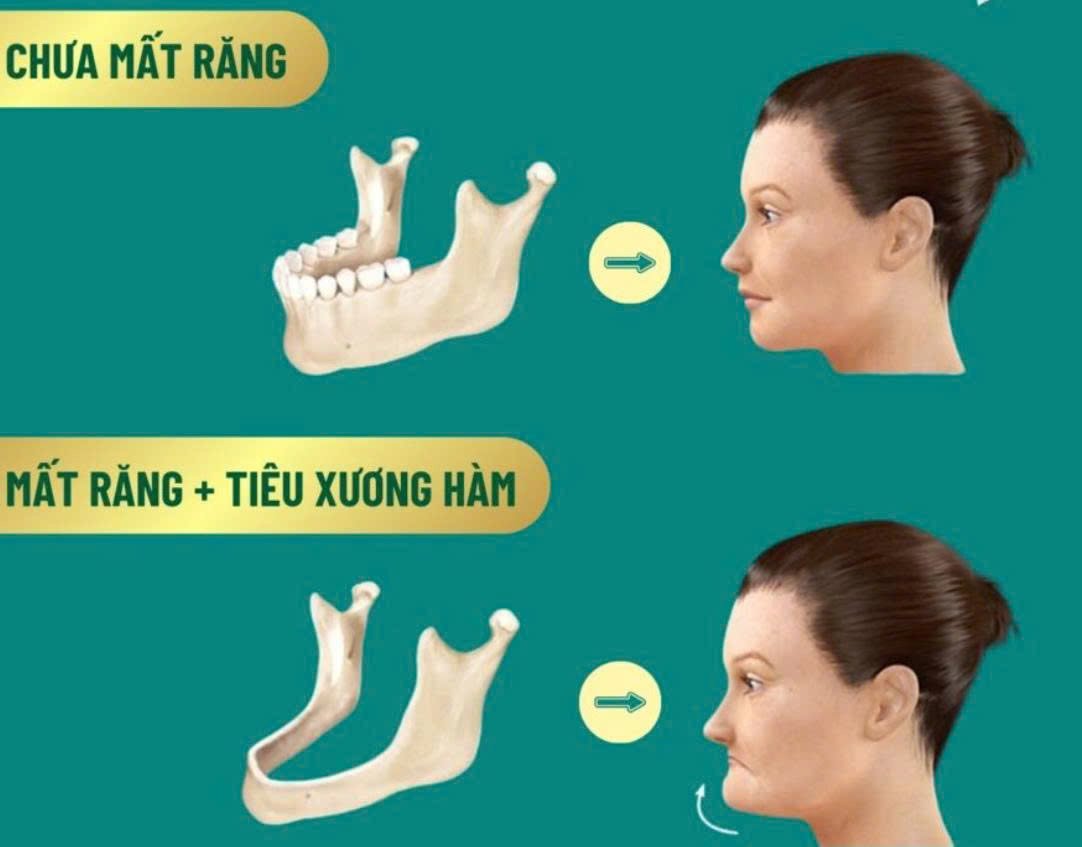
When a tooth is lost, the alveolar bone, no longer receiving chewing force, begins to gradually resorb over time. This bone resorption phenomenon causes the gums to shrink, the face to lose its natural fullness, easily leading to sunken cheeks, a shrunken look (móm), and appearing older than one’s actual age. Furthermore, the remaining teeth tend to drift into the gap, causing bite misalignment and affecting the entire dental system.
In addition, long-term tooth loss reduces chewing ability, leading to insufficiently ground food, which can result in digestive disorders, impacting overall health. Speech articulation can also be altered, especially when front teeth are lost. Therefore, getting dental restoration immediately after tooth loss not only helps restore smile aesthetics but also prevents a cascade of long-term health complications.
Most Popular Dental Restoration Methods Today
Modern dentistry offers various restoration solutions, from traditional to the most advanced, meeting diverse needs and financial conditions. Below are the three most commonly used dental restoration methods.
Removable Dentures – The Traditional, Economical Method
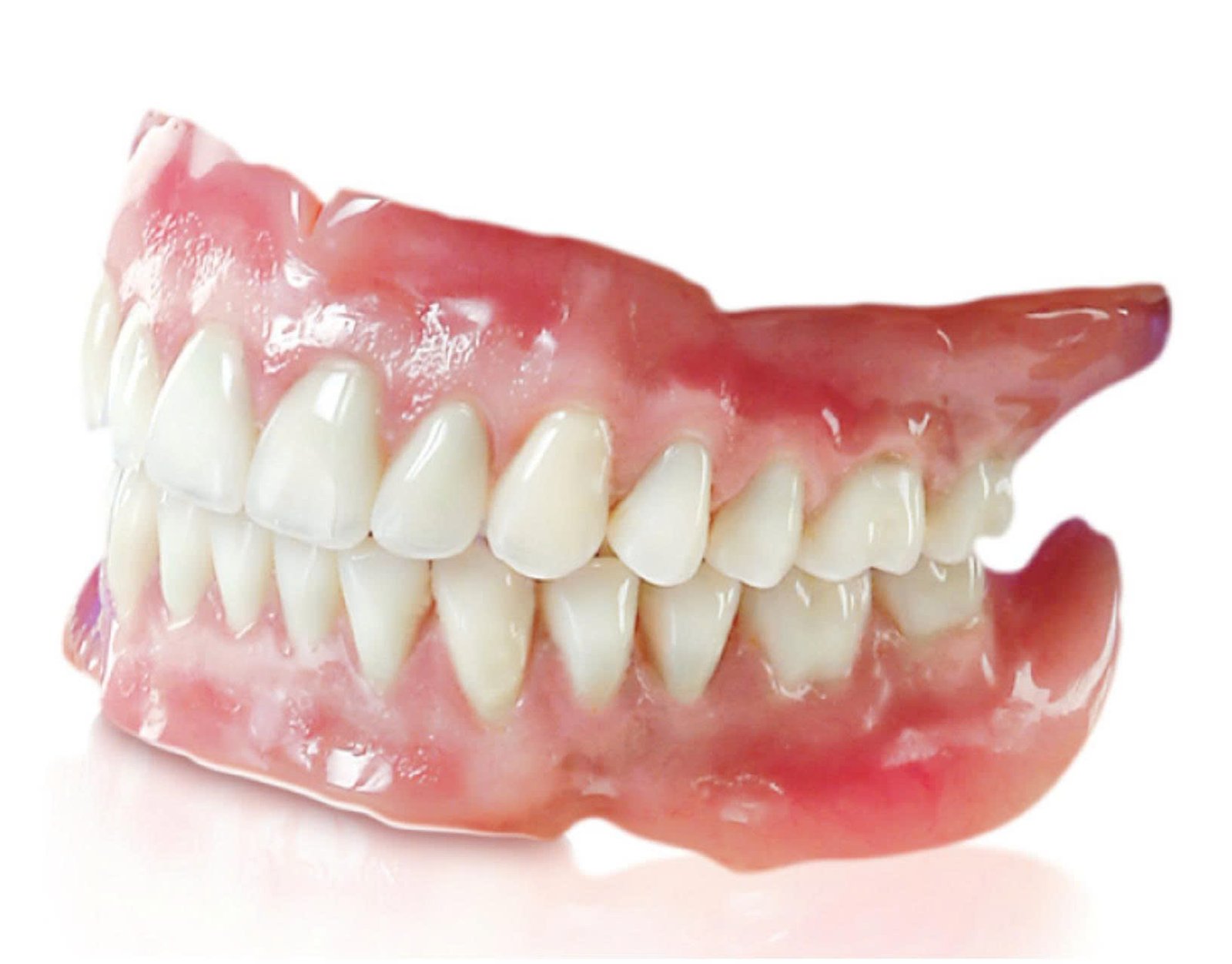
Removable dentures are a long-standing option, often used for elderly individuals or those with limited budgets. The denture structure consists of an acrylic base that fits closely over the gums and artificial teeth made of plastic or porcelain. Users can easily remove them for cleaning and put them back when needed.
The biggest advantage of this method is its low cost and quick procedure. Within a few days, the patient can have a new set of teeth that partially improves chewing function and aesthetics. However, the limitations are numerous: removable dentures often feel bulky, provide weak chewing force, and can easily loosen when speaking or eating. Crucially, because there is no artificial tooth root to maintain force on the bone, jawbone resorption still occurs over time, leading to gradual facial distortion.
Dental Bridge – A Popular Fixed Solution
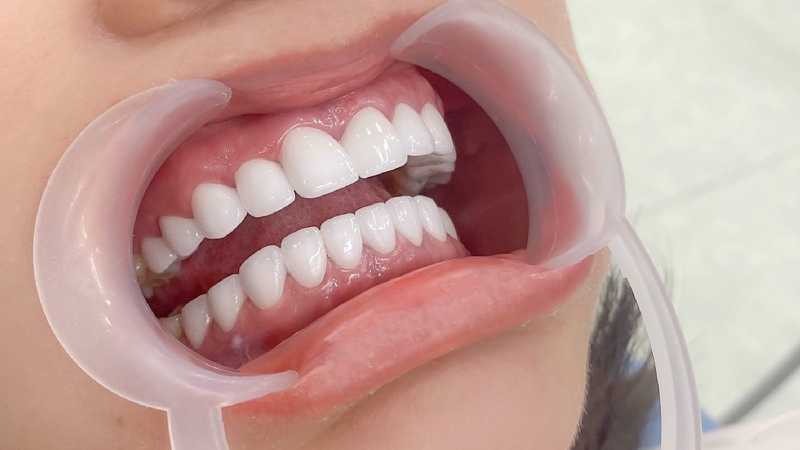
The dental bridge is a method chosen by many due to its high aesthetics and fixed restoration capability. This technique requires grinding down two healthy natural teeth adjacent to the missing tooth site to serve as abutments. The doctor then places a series of connected porcelain crowns to replace the lost tooth.
The advantage of the dental bridge is the fast procedure time; patients can have fixed false teeth for chewing and communication after just a few appointments. The shape and color of the porcelain crowns are also finely crafted to closely resemble natural teeth, providing high aesthetics. However, the biggest drawback is the necessity of grinding down healthy teeth—which can eventually weaken the abutment teeth, even leading to a risk of pulp inflammation or decay. Furthermore, this method does not address jawbone resorption, as the missing tooth root is not replaced.
Dental Implants – The Modern and Most Optimal Method
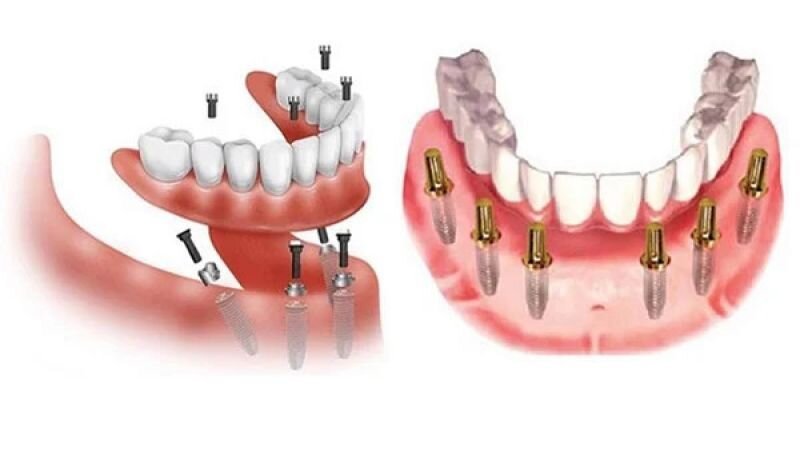
Among all tooth restoration solutions, Dental Implant placement is considered the “gold standard” today. This method not only replaces the tooth crown but also restores the missing tooth root. The Implant structure includes a Titanium post inserted directly into the jawbone to replace the root, an Abutment connector, and a porcelain crown placed on top.
This structure provides a range of superior benefits: chewing function as strong as natural teeth, perfect aesthetics thanks to the meticulously crafted porcelain crown, the ability to prevent jawbone resorption due to the Implant post integrating with the bone, and preservation of natural teeth because no adjacent teeth need to be ground down. Implant durability is also very high, potentially lasting 20 years or even a lifetime with proper care.
However, the only limitation is the higher cost compared to other methods, and the treatment time can take 3–6 months for the post to integrate with the bone. Nevertheless, at reputable clinics like Nha khoa 3C, customers can access immediate Implant technology, allowing for the placement of a temporary tooth within 48 hours. This enables normal chewing and confident communication while awaiting the stable integration of the Implant post.
Comparing Dental Restoration Methods – What is the Right Choice?
Each dental restoration method has its own pros and cons, suitable for different individuals. To easily visualize, let’s compare them based on critical factors such as health, cost, durability, aesthetics, chewing ability, natural tooth preservation, and the ability to prevent jawbone resorption.
-
Patient Health is the first factor to consider. Individuals with stable general health, especially strong jawbone, are suitable for Implants. For elderly patients, those with poor health, or poorly controlled chronic diseases, a dental bridge or removable denture is often a safer choice.
-
Cost is also a major concern. Removable dentures are the lowest cost, suitable for temporary restoration. A dental bridge is mid-range, while Implants are the most expensive but offer long-term stability. When considering the long-term investment, Implants may be more economical as they do not require frequent replacement like other methods.
-
Durability varies significantly. Removable dentures typically last only 3–5 years, a dental bridge can last 7–10 years, while Implants can last up to 20 years or a lifetime with proper care. This is a point that leads many customers to prioritize Implants for long-term restoration.
-
In terms of Aesthetics, both Implants and dental bridges offer natural-looking results, difficult to distinguish from real teeth. However, Implants have a great advantage in keeping gums and jawbone stable, minimizing gum recession or black triangle gaps over time—a common issue with dental bridges. Removable dentures are less natural and easily noticeable when talking or smiling.
-
Regarding Chewing Function, Implants are absolutely superior, restoring the ability to bite, tear, and grind almost like natural teeth. A dental bridge also ensures function quite well, but is not as firm as an Implant. Conversely, removable dentures can loosen, significantly restricting chewing.
-
On the aspect of Natural Tooth Preservation, Implants are completely superior as they require no grinding of adjacent teeth. A dental bridge necessitates grinding the abutment teeth, which affects the long-term health of natural teeth. Removable dentures do not alter natural teeth, but the chewing force is weak and they are inconvenient for daily use.
-
Finally, concerning the ability to Prevent Jawbone Resorption, the Implant is the only method that can achieve this. The Titanium post integrates with the jawbone, helping to maintain bone density, keeping the face balanced and youthful. Meanwhile, both the dental bridge and removable dentures cannot prevent this condition.
Thus, each method has its place. Removable dentures are suitable for the elderly or those with tight finances, a dental bridge is for those who want quick and cost-effective restoration, while Implants are always the highly recommended solution due to their comprehensiveness in aesthetics, function, and stability.
How is the Standard Medical Dental Restoration Procedure Performed?
Many customers are hesitant about dental restoration, believing it to be a complex, painful, and time-consuming procedure. In fact, this procedure has been standardized according to international medical standards, becoming much gentler and safer with the support of modern technology. At a reputable dental clinic, you will go through the following basic steps.
Step 1 – Examination and Consultation
First, the doctor will conduct a general check of your oral condition, combined with X-rays or 3D CT Cone Beam scans to detailedly evaluate the jawbone structure, gums, and bite. This is a crucial step to detect potential underlying oral diseases such as tooth decay, periodontitis, or bone resorption.
After receiving the results, the doctor will advise you on the most suitable restoration method, from removable dentures, a dental bridge, to Implant placement. The pros, cons, cost, and treatment time for each option will be clearly explained so you can actively make a decision.
Step 2 – Detailed Treatment Planning
In this step, the doctor will create a personalized treatment protocol based on your oral condition and wishes. For removable dentures or dental bridges, the plan is often simple and short-term. However, for Implants, the doctor will calculate the post placement position, suitable post type, and bone integration time.
Specific planning not only helps the patient understand the roadmap but also ensures the treatment is performed precisely, minimizing risks and complications.
Step 3 – Performing the Restoration
This is the main stage of the procedure. For removable dentures, the doctor will take an impression and fabricate a suitable denture, then instruct you on how to remove, clean, and insert it. For a dental bridge, the doctor will grind down two adjacent natural teeth to serve as abutments, take an impression, and place the fixed porcelain bridge.
For Implants, the doctor will proceed to place the Titanium post into the jawbone. This process is performed under local anesthesia, so it is virtually painless. After post placement, the patient will have a waiting period of 3–6 months for the post to fully integrate with the bone. However, at some modern clinics like Nha khoa 3C, customers can opt for immediate Implant technique, allowing for the placement of a temporary tooth within 48 hours. This allows for normal chewing and communication while awaiting the final permanent tooth.
Step 4 – Completion and Follow-up Appointments
Once the restoration is complete, the doctor will check the bite to ensure the false teeth function harmoniously with the entire arch. You will also be instructed on how to care for and clean your teeth at home, from correct brushing to using dental floss and a water flosser.
Patients are also scheduled for periodic check-ups (typically every 6 months) so the doctor can monitor the condition of the false teeth, promptly detect any issues, and maintain the long-term effectiveness of the restoration. This step should not be skipped if you want the false teeth to be durable and stable.
What is the Latest Cost for Dental Restoration in 2025?
One of the biggest questions customers have when researching dental restoration services is the cost. In reality, the price is not a fixed number for everyone because it depends on the chosen method, materials used, oral condition, and the reputation of the dental clinic. Understanding these factors will help you accurately budget and choose the solution that fits your needs.
Dental Restoration Method
Each method has a different cost level. Removable dentures are the most economical option, requiring only a few million VND to restore multiple teeth. Dental bridges have a higher cost, usually calculated based on the number of teeth needed, ranging from a few million to tens of millions VND for a bridge unit. Dental Implant placement is the most modern but also the most costly method, with the price calculated per Implant post. However, when considering lifespan and durability, Implants are a more cost-effective long-term investment.
Type of Porcelain Crown Used
The type of porcelain crown you choose also significantly affects the price. Titanium-fused porcelain is affordable and quite durable, but the aesthetics are not perfect. Meanwhile, premium porcelain lines like Zirconia or Cercon HT are favored for their natural color, high translucency, and better load-bearing capacity. Naturally, the cost for these premium porcelain types is also higher, but they offer superior aesthetics and durability.
Type of Implant Post
If you choose the Implant placement method, the type of post will largely determine the cost. Korean Implant posts are often more affordably priced, suitable for many people. In contrast, US or Swiss Implant posts are of high quality, have faster bone integration capability, near-permanent durability, and long-term warranty. This difference causes a significant price variance between different Implant lines.
Customer’s Oral Condition
The condition of the jawbone and oral health also directly affects the cost. For people with long-term tooth loss and significant bone resorption, additional supporting procedures like bone grafting or sinus lift are needed before Implant placement. These are mandatory procedures to ensure the Implant post is stable, meaning the total cost will increase compared to simple cases.
Reputation and Expertise of the Performing Doctor
The human factor and facility quality cannot be ignored. A reputable dental clinic with experienced doctors and modern equipment will have a higher cost compared to smaller facilities. However, in return, you are guaranteed safety, sterilization procedures, as well as long-lasting aesthetic results and durability of the false teeth. This is a worthwhile investment as it directly determines the quality of the restoration.
Overall, the cost of dental restoration in 2025 varies considerably, from a few million VND for removable dentures, around 10–20 million VND for a dental bridge, to 15–35 million VND for an Implant post, depending on the type. For an accurate quote, you should visit reputable dental clinics like Nha khoa 3C for a direct examination and detailed consultation, which will help you create the most suitable financial plan.
Frequently Asked Questions About Dental Restoration (FAQ)
Before deciding on dental restoration, most customers have concerns related to pain levels, execution time, and post-restoration care. Below are the most common questions and answers from dental experts.
Is Dental Restoration Painful?
This is a question almost everyone asks when first learning about tooth restoration methods. In reality, the entire process is performed under anesthesia, so customers feel virtually no pain. For techniques like dental bridges or removable dentures, the invasiveness is minimal, so discomfort is almost negligible.
For Implant placement, because a Titanium post needs to be placed into the jawbone, many fear this will be a painful procedure. However, with modern technology and the doctor’s expertise, the surgery is performed gently and quickly, without causing pain. Afterward, the patient may only feel a slight soreness or dull ache for the first few days, but this is entirely managed with pain medication and the doctor’s care instructions.
How Long Does Dental Restoration Take to Complete?
The restoration time depends on the chosen method. Removable dentures are the fastest; you can have a new set of teeth in just a few days. With a dental bridge, the execution time is slightly longer, about 2–3 appointments to grind the abutment teeth, take impressions, and place the fixed bridge.
For Implant placement, the process typically takes 3–6 months because the Titanium post needs time to securely integrate with the jawbone before the crown is attached. However, at reputable clinics like Nha khoa 3C, customers can access the immediate Implant solution. Within just 48 hours, you have a stable temporary tooth for chewing and communication while awaiting the permanent tooth. This is the optimal choice for those who do not want a long interruption to their daily life.
How to Properly Care for False Teeth?
After dental restoration, care plays a crucial role in determining the lifespan of the teeth. For removable dentures, you need to remove and brush them thoroughly after every meal to prevent bacterial buildup causing bad breath or gingivitis.
For dental bridges and Implants, oral hygiene should be performed similarly to natural teeth: brushing at least twice a day with a soft-bristled toothbrush, combined with dental floss and a water flosser to clean plaque from interdental spaces. Additionally, you should maintain the habit of periodic check-ups every 6 months so the doctor can check the bite, perform specialized cleaning, and promptly detect any potential issues.
Why Choose 3C Dental Clinic for Dental Restoration?
When deciding to return to Vietnam for dental restoration, overseas Vietnamese often prioritize three factors: quality of treatment, execution time, and reasonable cost. With outstanding strengths in all these aspects, 3C Dental Clinic has become a trusted address chosen by many Vietnamese expatriates.

Highly Qualified, Experienced Doctor Team
One of the most important factors determining the success of a tooth restoration case is the doctor’s skill. At 3C Dental Clinic, the doctors are all officially graduated in the specialty of Odonto-Stomatology, well-trained, and regularly update international dental knowledge. They have successfully performed thousands of Implant, dental bridge, and full-arch restoration cases, including complex ones like long-term tooth loss and severe bone resorption.
For Vietnamese expatriates, peace of mind is the top priority. Therefore, being treated directly by experienced doctors who have handled many difficult cases is a guarantee of quality and absolute reassurance.
Modern Technology, International Standards
Not only strong in human resources, Nha khoa 3C also invests in a system of leading advanced equipment. From the 3D CT Cone Beam machine, specialized Implant analysis software, to the CAD/CAM porcelain lab, everything meets international standards. As a result, the diagnosis and treatment process is accurate and fast, minimizing pain and complications.
Especially, Vietnamese expatriates often have limited time when returning home. Understanding this, Nha khoa 3C has applied immediate Implant technology, allowing for temporary tooth restoration in just 48 hours. This means customers can still chew and communicate normally while waiting for the permanent tooth to be completed—a significant advantage compared to many other facilities.
Reasonable Cost, More Economical Compared to Abroad
One of the biggest reasons Vietnamese expatriates choose to get dental work done in Vietnam is the cost. In countries like the US, Canada, Australia, or Europe, the cost of Implant placement or a dental bridge can be many times higher than in Vietnam. Meanwhile, at Nha khoa 3C, customers only need to pay a much more reasonable price while still experiencing international standard services.
Moreover, Nha khoa 3C also has a clear warranty policy, helping customers feel secure about the long-term quality of the restoration. With reasonable prices and high-quality service, this truly is a smart investment, providing both health benefits and economic value.
Dedicated Care Service, Understanding the Needs of Vietnamese Expatriates
Nha khoa 3C not only focuses on technique but also pays special attention to the customer experience. The consultation team is always ready to assist from scheduling and reception to post-treatment care. For Vietnamese expatriates, the friendliness, attentiveness, and cultural understanding are key factors that create a feeling of closeness, helping them feel at ease as if being cared for in their homeland.
Additionally, all information regarding costs, procedures, and warranty is transparent and thoroughly explained. This helps Vietnamese expatriates, even from afar, plan their treatment in advance without worrying about unexpected additional costs.
Missing teeth not only affect chewing ability but also impair aesthetics and confidence in communication. Timely dental restoration helps comprehensively restore both function and appearance, while preventing a series of long-term oral health complications. Depending on your needs and conditions, you can choose removable dentures, a dental bridge, or Dental Implant placement—with Implants considered the most optimal solution today.
If you are an overseas Vietnamese looking for a reputable address for dental restoration when returning home, Nha khoa 3C is a reliable choice. With skilled doctors, international standard technology, reasonable costs, and dedicated service, we are committed to providing you with strong, beautiful teeth and a confident, long-lasting smile. Contact us today for a free consultation and to book an appointment, ready for the journey to regain your complete smile in your homeland.