
Permanent tooth loss significantly affects chewing, aesthetics, and oral health. Learn about the causes, consequences, and effective tooth restoration solutions with experts from Nha khoa 3C.
Permanent teeth play a crucial role in maintaining chewing function, facial aesthetics, and overall health. However, the condition of permanent tooth loss is becoming increasingly common due to various reasons such as tooth decay, periodontitis, or trauma. If not restored promptly, tooth loss not only impacts the quality of life but also causes many long-term complications. The article below will analyze in detail the causes, consequences, and effective permanent tooth restoration solutions, helping you gain more knowledge for proper oral health care.
What are Permanent Teeth?
Permanent teeth are the final set of teeth that form after the primary (baby) teeth stage, usually starting to erupt around the age of 6 and gradually completing by adulthood. A normal adult typically has 28 to 32 permanent teeth, including incisors, canines, premolars, and molars (wisdom teeth may or may not erupt).
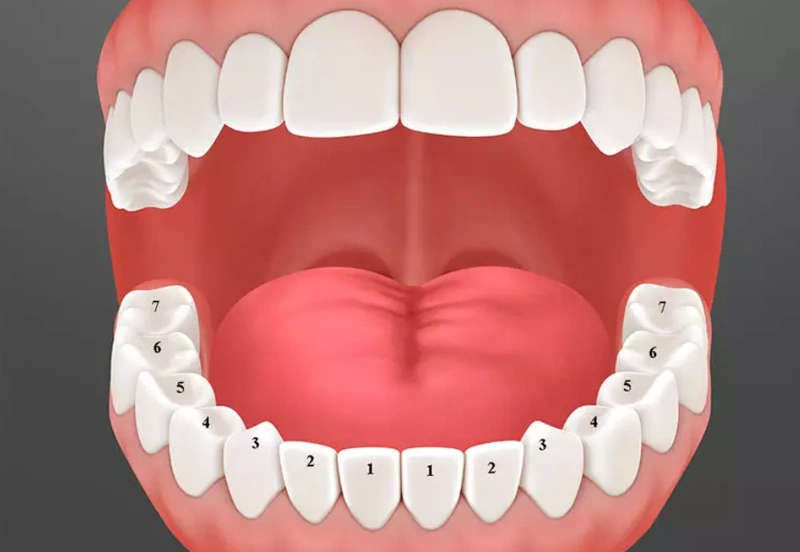
Permanent teeth are responsible for more than just chewing function; they also maintain facial balance, support clear speech articulation, and contribute to an aesthetic smile. Therefore, protecting and restoring permanent teeth when they are lost is a key factor in long-term oral health care.
The Difference Between Primary Teeth, Permanent Teeth, and Wisdom Teeth
-
Primary Teeth (Baby Teeth): This is the temporary set of teeth appearing in children from about 6 months of age and gradually replaced by permanent teeth when the child is around 6–12 years old. Primary tooth loss is a natural physiological process, usually causing no long-term effects if the permanent teeth erupt correctly and on time.
-
Permanent Teeth (Adult Teeth): This is the official set of teeth, beginning to erupt around age 6 and lasting a lifetime. Unlike primary teeth, permanent teeth cannot grow back if lost. Permanent tooth loss causes many consequences such as jawbone resorption, bite misalignment, difficulty chewing, and affected facial aesthetics.
-
Wisdom Teeth (Third Molars or Tooth #8): This group of teeth erupts latest, typically appearing between the ages of 17–25. Unlike other permanent teeth, wisdom teeth do not contribute much to chewing function and are prone to being impacted or erupting improperly, causing pain, gingivitis, or pericoronitis complications. In many cases, wisdom teeth need to be extracted to prevent affecting overall oral health.
What Happens if Permanent Teeth are Lost and Not Replaced?
Many people assume that losing a few permanent teeth is not a major issue and can be ignored. However, according to dental experts, failing to restore teeth after loss leads to many serious consequences for both oral and overall health.
-
Impaired Chewing Ability: When teeth are missing, chewing force is not evenly distributed, leading to less effective food grinding. The consequence is that the digestive system has to work harder, easily causing stomach pain or digestive disorders.
-
Rapid Jawbone Resorption: After tooth loss, the alveolar bone no longer receives stimulation from the tooth root, leading to bone resorption. This is the main reason why the face looks sunken, skin sags, and signs of premature aging appear.
-
Tooth Shifting and Bite Misalignment: Adjacent teeth tend to tilt into the gap, causing the entire dental arch to shift. This alters the bite, potentially leading to tooth wear, temporomandibular joint pain, and difficulty chewing.
-
Impact on Aesthetics and Psychology: Loss of front teeth or teeth in the aesthetic zone results in an unattractive smile, reducing confidence in communication. In the long term, this can negatively affect psychology and quality of life.
Current Permanent Tooth Restoration Solutions
Removable Dentures
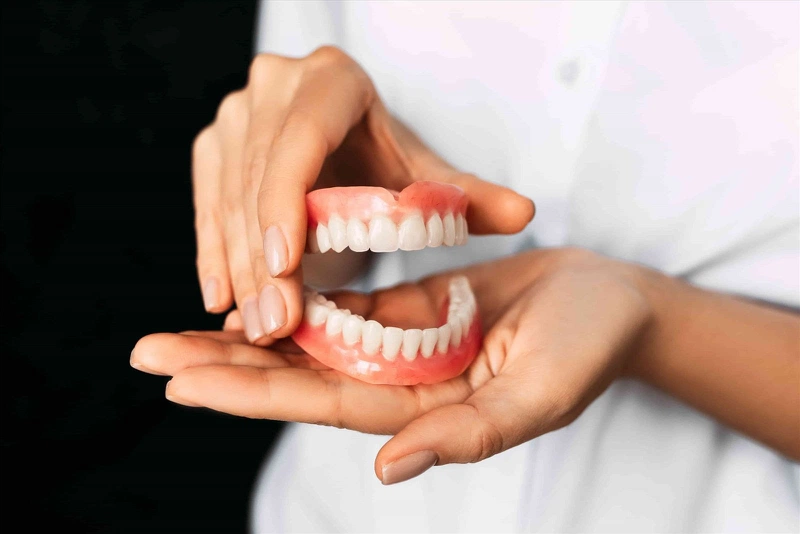
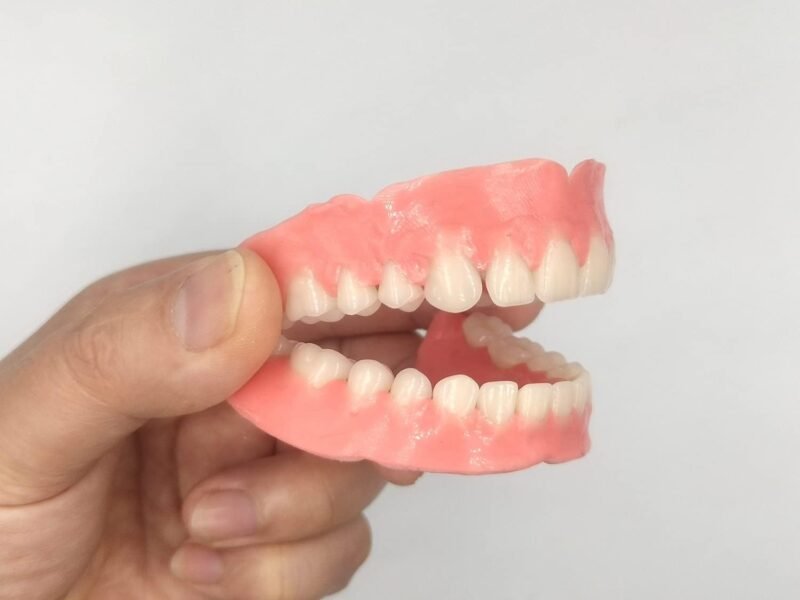
Removable dentures use an acrylic or metal base with artificial teeth to replace missing teeth. This is a traditional solution, common in permanent tooth restoration, especially for older adults.
Removable dentures are typically indicated for elderly individuals, those with poor oral health, or those who cannot afford a dental bridge or Implant placement.
Pros:
-
Low cost, suitable for many people.
-
Simple procedure, minimal intervention on natural teeth.
-
Can restore multiple teeth at once.
Cons:
-
Low stability, easily loose when chewing.
-
Causes a bulky, uncomfortable feeling for the user.
-
Does not prevent jawbone resorption.
Dental Bridge
A dental bridge is a method where two adjacent natural teeth are ground down to serve as abutments, and then a porcelain bridge is attached to replace the missing tooth. This is a relatively common permanent tooth restoration solution, especially for the loss of one or a few consecutive teeth.
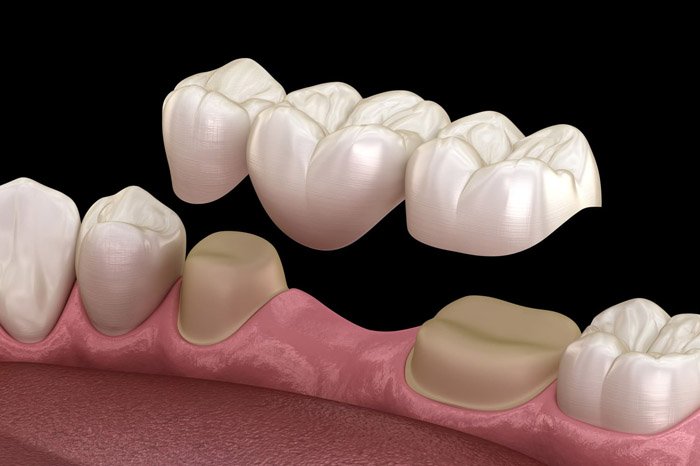
A dental bridge is suitable for people missing one or a few teeth, who have healthy abutment teeth, and need quick restoration.
Pros:
-
Good improvement in aesthetics and chewing function.
-
Fast restoration time, only takes a few days.
-
More reasonable cost compared to Implants.
Cons:
-
Requires grinding down healthy teeth, which may affect the health of the abutment teeth.
-
Does not prevent jawbone resorption.
-
Average lifespan is 7–10 years, after which replacement is necessary.
Dental Implant Placement
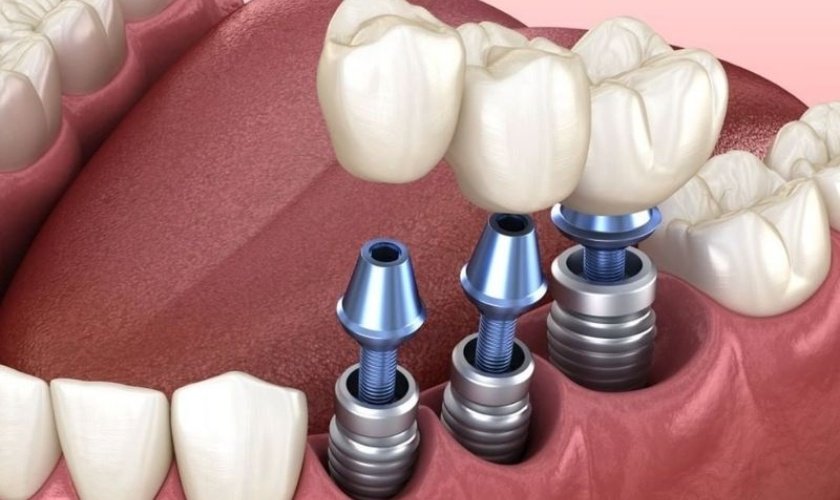
Dental Implant placement is the method of placing a titanium post into the jawbone to replace the lost tooth root, and then attaching a porcelain crown on top. This is considered the most modern and effective solution for permanent tooth restoration today.
Dental Implants are suitable for almost all cases of permanent tooth loss, especially single tooth loss, multiple teeth, or full arch loss, and for those seeking long-term, stable restoration.
Pros:
-
Restores both the tooth root and crown, providing a chewing sensation close to natural teeth.
-
Prevents jawbone resorption.
-
Long lifespan, can last a lifetime with proper care.
-
Does not affect surrounding natural teeth.
Cons:
-
Higher cost compared to removable dentures and dental bridges.
-
Longer treatment time, requires 2–6 months for the Implant post to integrate with the bone.
-
Requires the patient to have good general health and adequate jawbone condition.
Cost of Permanent Tooth Restoration
The cost of permanent tooth restoration varies significantly depending on the chosen method and the specific condition of each patient. Prices can range from a few million VND for removable dentures up to tens of millions VND for Implant placement. Understanding the influencing factors will help the patient create a reasonable financial plan and choose the most suitable option.
-
Restoration Method: Removable dentures have the lowest cost; Implant placement has the highest cost but is a long-term, sustainable solution.
-
Quantity and Position of Missing Teeth: The more teeth lost, the higher the cost. Front teeth often require higher aesthetics, so the price may be higher than for back teeth.
-
Restoration Materials: The type of porcelain crown (e.g., Zirconia vs. metal-fused porcelain), type of Implant post (e.g., European vs. standard brand), or denture base significantly affects the price.
-
Oral Health Condition: If the patient has periodontitis, jawbone resorption, or requires bone grafting before Implant placement, the cost will increase.
-
Doctor’s Expertise and Applied Technology: A reputable dental center with experienced doctors and modern equipment often has a higher cost, but ensures safety and long-term effectiveness.
When Should Permanent Teeth Be Replaced?
Restoring teeth as soon as possible after permanent tooth loss is a crucial principle for protecting oral health. However, it cannot always be done immediately. Determining the correct timing for tooth placement helps minimize complications and provides long-lasting effectiveness.
Best Time After Tooth Loss
Dental experts recommend that permanent tooth restoration using Implants or a dental bridge should be done within 3–6 months after tooth loss. This is the ideal time because the jawbone has not resorbed significantly, the gums have not shrunk excessively, and the procedure will be favorable with high aesthetic results.
-
Immediate Implant placement can be performed right after extraction if bone and gum conditions allow.
-
Dental bridge should be done as soon as the extraction site heals to prevent tooth shifting.
-
Removable dentures can be done after a few weeks to ensure stable gum tissue.
Cases Where Tooth Placement Must Be Postponed
In some situations, the doctor will instruct to postpone permanent tooth restoration, including:
-
Uncontrolled Inflammation: If the patient has periodontitis, gingivitis, or periapical infection, thorough treatment is required before placement.
-
Severe Jawbone Resorption: Bone grafting or sinus lift must be performed to qualify for Implant placement.
-
Unstable Systemic Diseases: Individuals with uncontrolled diabetes, severe cardiovascular issues, or those undergoing cancer treatment (radiation/chemotherapy) need to consult a specialist before placement.
-
Children with Incomplete Jawbone Development: Implant placement is typically only suitable when the jawbone is stable, meaning around 18 years of age or older.
Why Choose 3C Dental Clinic for Permanent Tooth Restoration?
When faced with permanent tooth loss, choosing a reputable dental facility is the deciding factor in long-term restoration effectiveness. 3C Dental Clinic is proud to be a trusted address chosen by many customers due to its differentiated expertise and service:
-
Experienced Doctor Team: Doctors at 3C Dental Clinic are highly specialized in Implants, dental bridges, and removable dentures, with many years of experience treating complex cases, ensuring optimal safety and aesthetic results.
-
Application of Modern Technology: 3C Dental Clinic is equipped with a 3D CT Cone Beam system, Smile Design software, and digital Implant technology. This ensures precise diagnosis, shortens treatment time, and increases the durability of the restored teeth.
-
Genuine, Safe Materials: All Implant posts, porcelain crowns, and dental materials at 3C have clear origins, meet international standards, and come with an official warranty.
-
Comprehensive Care, Closed Treatment Procedure: Every step from examination, diagnosis, restoration performance to periodic follow-ups is conducted according to international standard procedures. Patients are closely monitored and thoroughly supported after treatment.
-
Reasonable Cost, Multiple Package Options: 3C Dental Clinic offers flexible service packages, suitable for the needs and financial conditions of each customer. Cost transparency is guaranteed, with no unexpected additions.

Frequently Asked Questions About Permanent Tooth Loss
Can Permanent Teeth Grow Back?
No, permanent teeth do not have the ability to grow back naturally. Once lost, the gap in the dental arch will remain permanently if not restored. Therefore, the only solution is to use tooth restoration methods such as removable dentures, dental bridges, or dental Implants.
Should Older Adults Get Implants?
Older adults can still get Implants if their general health is stable and their jawbone condition is adequate. Before the procedure, the doctor will check the condition of the bone, gums, and systemic diseases to make an appropriate indication. In fact, many patients over 60 years old successfully receive Implants and use them long-term.
Is Permanent Tooth Restoration Painful?
The procedure for Implant placement or dental bridge fabrication is performed with anesthesia and modern technology, so it causes virtually no pain. After the procedure, the patient may feel slight soreness or swelling for a few days, but this will gradually subside with proper care.
What Should Be Done If a Child Loses a Permanent Tooth?
If a young child loses a permanent tooth prematurely due to an accident or decay, they need to visit the dentist for examination and treatment planning. The doctor may often prescribe a temporary prosthetic to hold the space, waiting until the jawbone development is stable before performing Implant placement or fixed restoration.
What is the Average Lifespan of a Dental Implant?
An Implant has an average lifespan of 20 years or more, and can even last a lifetime with proper care and regular check-ups. This is a superior advantage that makes Implants considered the optimal solution for permanent tooth restoration today.
Permanent tooth loss not only causes difficulty in chewing but also directly affects aesthetics, communication, and the long-term health of the patient. If not restored promptly, jawbone resorption and premature aging will occur rapidly, making later treatment more complex and costly.
Currently, there are many permanent tooth restoration solutions such as removable dentures, dental bridges, or Dental Implant placement. Among these, the Implant is considered the most comprehensive, modern method due to its ability to restore both the tooth root and crown, providing a natural chewing sensation and effectively preventing jawbone resorption.
However, each method has its own pros and cons and is suitable for specific situations. Therefore, choosing a reputable dental clinic for examination and consultation by an experienced doctor is extremely important.
If you are looking for a reliable address to restore your permanent teeth, Nha khoa 3C is a leading choice with a highly specialized doctor team, modern technology, and comprehensive care service. Book an examination appointment at Nha khoa 3C today to receive detailed consultation and find the optimal solution for a healthy, beautiful, and long-lasting smile.