
Long-term tooth loss is not an insurmountable problem. With the advancement of modern dental technology, replacing missing teeth for people who have suffered long-term tooth loss is more feasible than ever. However, the possibility of dental restoration still depends on many factors such as jawbone condition, the location of the missing tooth, and the individual’s overall health. This article will help you better understand whether long-term missing teeth can be restored and the effective recovery methods available.
Can Long-Term Missing Teeth Be Replaced?
Long-term tooth loss does not entirely preclude the possibility of dental restoration. Today, with the remarkable advancement of dental technology, many modern tooth replacement methods can help restore chewing function and aesthetics for people, even after a long period of tooth absence. However, to ensure a successful and long-lasting restoration process, many factors related to the patient’s oral and overall health must be thoroughly evaluated. Below are the critical factors that affect the feasibility of restoration after long-term tooth loss:
Jawbone Condition
The jawbone is the solid foundation for tooth replacement, especially with the Dental Implant method. When teeth have been missing for a long time, the jawbone often undergoes resorption due to the lack of stimulation from the natural tooth root. This condition leads to a significant reduction in bone density and volume, making it difficult to place an Implant post or construct a dental bridge. In cases of severe bone loss, the dentist will need to perform supplementary techniques such as bone grafting or sinus lifting to regenerate the bone before placing the tooth. This ensures the Implant post is securely fixed and increases the success rate of the treatment.
Duration of Tooth Loss
The longer the duration of tooth loss, the more severe the bone resorption and gum tissue shrinkage become. This not only affects the bone structure but also alters the shape and size of the face, compromising aesthetics. Individuals with long-term tooth loss may face more difficulties in tooth restoration due to the need to address additional issues related to soft tissue and bone. However, with the support of modern technology, dentists can accurately assess the extent of the damage and plan appropriate treatment for effective tooth recovery.
Location of Missing Tooth
The location of the missing tooth also plays an important role in selecting the restoration method. Teeth in the anterior position (front) often require high aesthetics, necessitating a method with a high degree of naturalness, such as Implants or porcelain bridges. Meanwhile, teeth in the posterior arch (back) withstand significant chewing forces, so the restoration method must ensure high durability and load-bearing capacity. Additionally, some missing tooth locations may pose difficulties for Implant placement due to surrounding bone structure or soft tissue, requiring the dentist to possess highly specialized techniques to manage.
Overall Health
The patient’s overall health directly influences the ability to undergo tooth replacement. Individuals with chronic conditions such as diabetes, high blood pressure, cardiovascular diseases, or immune issues need to have their condition stably controlled before proceeding with tooth restoration. Furthermore, habits like smoking and alcohol consumption can reduce the healing capacity and increase the risk of failure during the grafting process. Therefore, a comprehensive health assessment and thorough preparation before restoration are essential to ensure successful treatment outcomes.
Why is Implant Placement the Optimal Solution for Long-Term Tooth Loss?
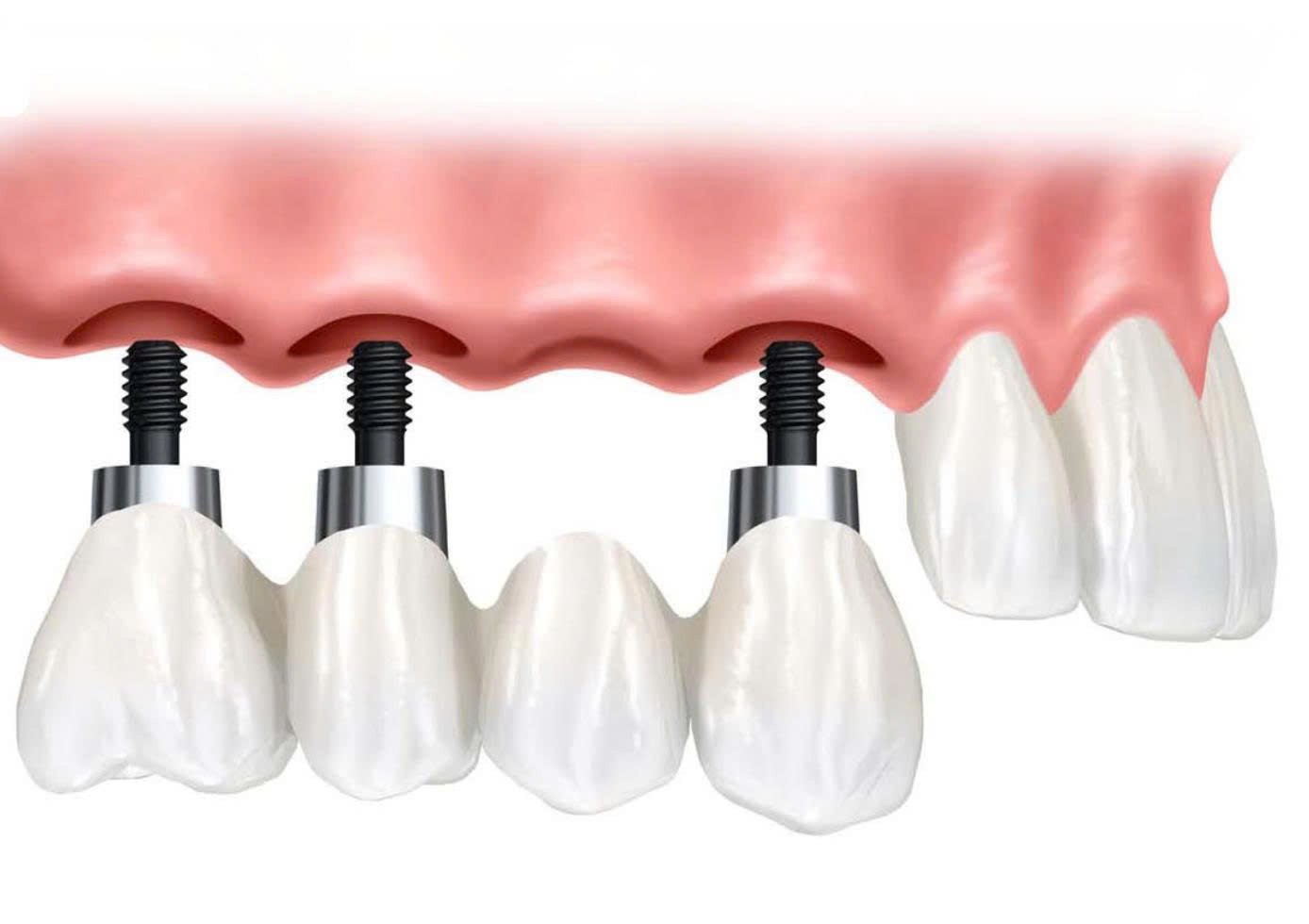
Dental Implant placement is considered the most effective and advanced solution for long-term missing tooth restoration available today. This method not only helps restore chewing function but also provides many superior benefits compared to other traditional methods. Here are the reasons why Implants are the top choice for individuals with long-term tooth loss.
Bone Preservation and Stimulation
When teeth are missing long-term, the jawbone is often resorbed due to the lack of force from the natural tooth root. An Implant, with its titanium post placed directly into the jawbone, replaces the root, stimulating bone growth and effectively preventing bone resorption. This helps maintain the facial structure and avoids deformities caused by bone loss.
High Stability and Durability
Implants have superior durability and can be used long-term if cared for properly. The Implant post integrates tightly with the jawbone, creating a stable foundation for the prosthetic tooth above, allowing for comfortable and natural chewing, just like real teeth. This significantly improves the quality of life and confidence in communication.
No Grinding of Adjacent Teeth Required
Unlike a dental bridge, Implant placement does not require grinding down adjacent healthy teeth to serve as abutments. This helps to maximize the preservation of natural teeth and maintain the original tooth structure, reducing the risk of damage or decay in the neighboring teeth.
Natural Aesthetics and Comfort
Implant-supported teeth are designed and fabricated to be identical to natural teeth in shape, color, and size, providing a natural appearance that harmonizes with the face. Furthermore, because the Implant is fixed securely in the jawbone, users do not experience the sensation of looseness or discomfort often associated with removable dentures.
High Success Rate and Suitability for Many Long-Term Missing Tooth Cases
Thanks to modern techniques and high-quality materials, the success rate of Implant placement is very high, often exceeding 95%. Moreover, with supporting techniques such as bone grafting and sinus lifting, Implants can be successfully applied even in cases of long-term tooth loss with severe bone resorption.
Important Considerations for Implant Placement in Cases of Long-Term Tooth Loss
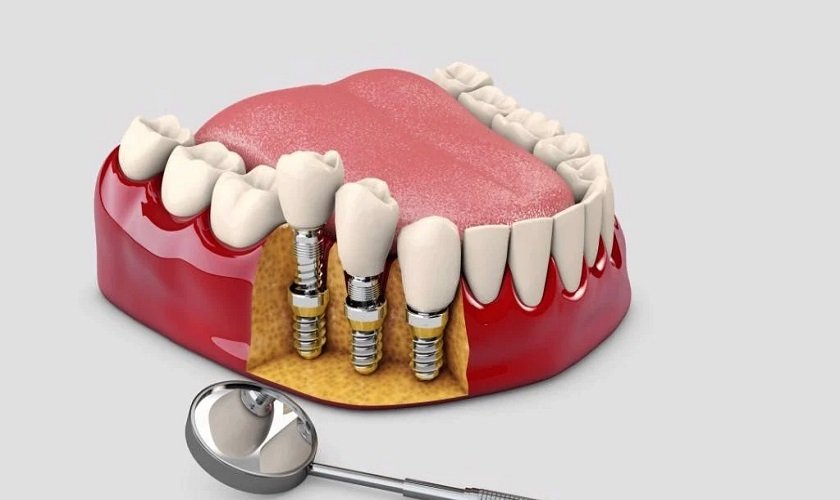
Implant placement for long-term tooth loss is not simply about inserting a titanium post into the jawbone and attaching a prosthetic tooth. It is a complex procedure that requires careful preparation and strict adherence to medical requirements to ensure optimal, durable, and safe results. Here are the crucial points you need to be aware of if you are considering Implant placement after a long period of tooth loss.
Thorough Evaluation of Jawbone Condition Before Placement
When teeth have been missing for a long time, the jawbone at the missing tooth site is often resorbed due to the lack of stimulation from the natural tooth root. This makes the bone thin, weak, and insufficiently strong to hold the Implant post. Therefore, the essential first step is for the doctor to perform X-ray or CT Cone Beam scans to accurately check the density, volume, and quality of the jawbone. If the bone is not adequate, you may need to undergo supplementary procedures like bone grafting or sinus lifting to create a stable foundation before Implant placement.
Choosing a Reputable Dental Clinic and Highly Specialized Doctor
Implant placement is a dental technique that demands high professional skill from the doctor, modern equipment, and strict sterilization procedures. Choosing a reputable clinic with experienced doctors will help minimize risks such as infection, failure of the Implant post to integrate with the bone, or other complications. A good dental clinic will also provide clear, transparent advice on costs and treatment procedures, helping you feel more secure throughout the recovery process.
Ensuring Good Overall Health Before Placement
Overall health significantly affects the healing capacity and success of the Implant procedure. People with chronic conditions such as diabetes, blood clotting disorders, cardiovascular diseases, or weakened immune systems need to be checked and their conditions well-controlled before the procedure. Additionally, smoking habits reduce the ability of the Implant post to integrate with the bone, posing a higher risk of failure. Therefore, you should quit smoking for at least a few weeks before surgery and during the recovery process.
Strictly Following Post-Surgical Care Instructions
After Implant placement, the surgical site is highly susceptible to infection if not properly cared for. You need to maintain meticulous oral hygiene by brushing gently, rinsing with salt water or an antiseptic solution as directed by the doctor. Simultaneously, avoid strong chewing or applying force to the grafted area during the initial phase. Regular check-ups with the doctor to monitor the healing progress and promptly address any abnormal signs are also very important.
Being Patient During the Treatment Process
Implant placement is not a method that can be completed in a single appointment. Especially for individuals with long-term tooth loss, the treatment time may be extended due to the need for bone grafting, sinus lifting, or waiting for the Implant post to stably integrate with the jawbone. This process can take from a few months to half a year, or even longer depending on the specific case. Therefore, you need to be patient, strictly adhere to the appointment schedule and the doctor’s instructions to ensure the final result is a strong, aesthetic, and long-lasting set of teeth.
3C Dental Clinic – A Reputable and Quality Implant Clinic for Long-Term Tooth Loss
Long-term tooth loss often leads to severe jawbone resorption, making Implant placement challenging. However, with modern technology and a team of experienced doctors, 3C Dental Clinic has affirmed its position as a reputable and professional Implant clinic for customers facing this issue.
At 3C Dental Clinic , before proceeding with the placement, customers undergo a thorough examination and 3D CT scan to accurately assess the density and volume of the jawbone. If the jawbone is severely resorbed, the doctor will apply techniques like sinus lifting and bone grafting to create favorable conditions for the Implant post to integrate securely. This ensures the long-term effectiveness and durability of the prosthetic tooth.
3C Dental Clinic not only focuses on technical aspects but also invests in modern equipment and strict sterilization protocols, ensuring the treatment process is safe, fast, and minimizes pain. The doctor team here constantly updates the latest methods in the Implant field, ensuring optimal tooth restoration results, natural aesthetics, and chewing function like real teeth.

Furthermore, Nha khoa 3C provides dedicated post-operative care services and thorough consultations so that customers can maintain the best possible oral health after tooth restoration. With the combination of high professional expertise and professional service, 3C Dental Clinic is the top choice for individuals with long-term tooth loss seeking to restore their smile and quality of life.
In summary, long-term missing teeth can absolutely be restored thanks to modern Implant technology. Although jawbone resorption may pose challenges, with techniques like sinus lifting, bone grafting, and an experienced doctor team, the Implant procedure remains safe and effective. The important thing is to choose a reputable dental clinic for a thorough examination and a suitable treatment plan. Implant placement not only restores chewing function but also helps improve aesthetics and elevates the quality of life.