
Many people often underestimate the issue, believing that losing one or two teeth, especially the inner molars, will not have a significant impact. However, in reality, the consequences of tooth loss are far more severe and complex than we imagine. It not only affects aesthetics but also triggers a chain of oral and systemic health problems.
Causes of Tooth Loss in Adults
Before exploring the consequences, it is essential to identify the leading causes of tooth loss. Recognizing these factors helps us prevent the condition better.
Tooth Loss Due to Oral Diseases
This is the most common cause. If tooth decay is not treated promptly, it will destroy the tooth structure, spread to the pulp causing pulpitis, apical infection, and ultimately leading to the unsalvageable loss of the tooth. Furthermore, periodontal disease destroys the tooth-supporting tissues such as the gums, ligaments, and alveolar bone, causing the tooth to loosen and gradually fall out, even if the tooth itself is not decayed.
Trauma and Physical Impact
Unexpected accidents in daily life, work, or sports can cause strong impacts, leading to fractured teeth, large breaks, or even the tooth being knocked out of the jawbone. In these cases, tooth loss is sudden and requires immediate medical intervention.
Age and Nutritional Factors
The natural aging process of the body also affects oral health. As we age, teeth become worn down, enamel weakens, and the self-healing ability of periodontal tissues diminishes. Along with this, a diet deficient in calcium and other essential minerals makes the jawbone and teeth weak, vulnerable to damage, and eventually leads to tooth loss.
Tooth Loss Due to Impacted or Misaligned Wisdom Teeth
Wisdom teeth (third molars, Tooth #8) that grow misaligned or impacted can push against the adjacent second molar (Tooth #7), causing decay, inflammation, and root resorption of Tooth #7. In many cases, to protect the remaining teeth, the dentist is forced to extract both the wisdom tooth and the damaged, unsalvageable Tooth #7.
Consequences of Long-Term Tooth Loss
When a tooth is lost, the gap it leaves initiates a series of complex problems. This is not just an aesthetic issue; it is a real health concern.
Impaired Chewing Function and Strain on the Digestive System
This is the most immediate and noticeable consequence. Every tooth in the arch has a specific function: incisors for biting, canines for tearing, and molars for crushing food. The consequence of molar loss is particularly severe because this group of teeth is primarily responsible for grinding food before swallowing.
When molars are lost, food is not properly chewed, forcing the stomach and digestive system to work harder. This prolonged condition can lead to illnesses such as gastritis, colitis, digestive disorders, and a reduced ability to absorb nutrients in the body.
Jawbone Resorption, Sunken Cheeks, and Premature Aging
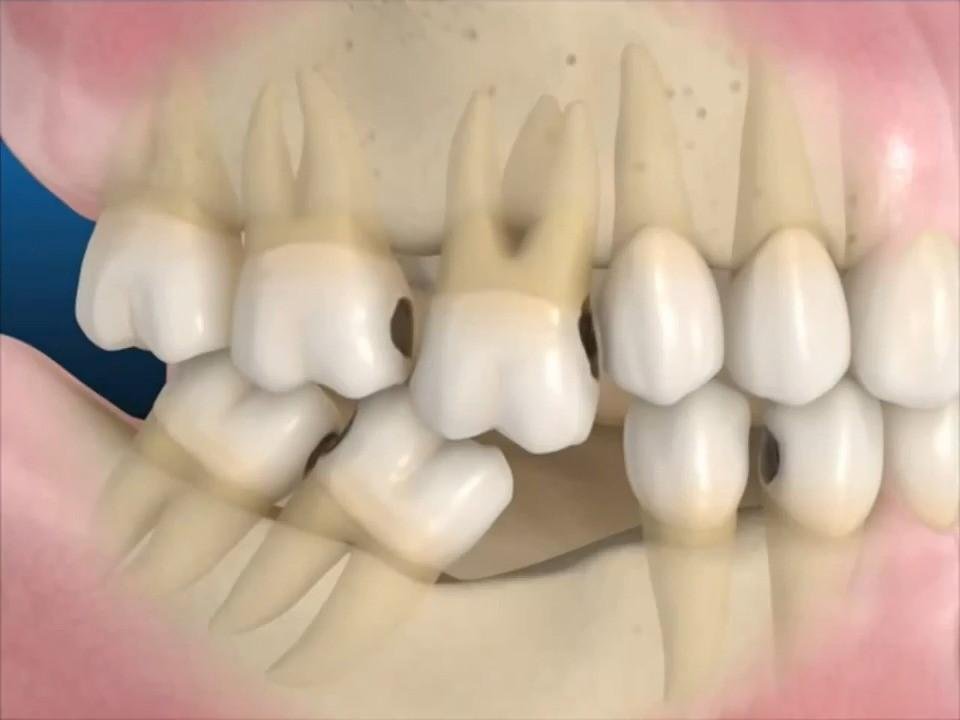
This is one of the most dangerous and difficult-to-restore consequences of long-term tooth loss. The jawbone exists and thrives thanks to the physiological stimulating forces transmitted from the tooth root during chewing. When a tooth is lost, this force disappears. The jawbone area at the missing site is no longer stimulated and begins the natural process of resorption (bone loss).
The process of bone resorption occurs silently but leaves visible consequences on the face. The gum tissue in the missing area shrinks. Over time, significant bone loss changes the underlying supportive structure of the face, leading to sunken cheeks, sagging facial skin, and increased wrinkles around the mouth. This makes your face look visibly older than your actual age.
Tooth Shifting and Risk of Further Tooth Loss
The space left by the missing tooth creates conditions for the remaining teeth to move. The two adjacent teeth tend to lean into the gap, while the opposing tooth in the other jaw will super-erupt (extrude). The consequence after tooth loss is likened to a domino effect.
This shifting disrupts the balance of the entire dental arch, causing a host of problems:
-
Malocclusion (Bad Bite): Chewing forces are no longer evenly distributed, causing overload on certain teeth and the temporomandibular joint (TMJ).
-
Food Impaction Gaps: Tilted and misaligned teeth create crevices that are difficult to clean, increasing the risk of decay and periodontitis for these otherwise healthy teeth.
-
Increased Risk of Further Tooth Loss: Over time, the shifted, overloaded teeth will weaken and are at risk of becoming loose, damaged, and eventually being lost themselves.
Impact on Speech and Communication
Tooth loss, especially of the front incisors, directly affects the ability to speak. You may develop a lisp or have difficulty articulating words clearly, particularly sounds that require contact between the tongue and teeth. This causes significant self-consciousness in daily communication, affecting career and social relationships.
Headaches and Temporomandibular Joint (TMJ) Pain
The malocclusion caused by tooth loss results in uneven pressure on the Temporomandibular Joint (TMJ)—the joint connecting the jawbone and the skull. This prolonged stress can lead to Temporomandibular Disorder (TMD), with symptoms such as muscle fatigue in the face, headaches, neck and shoulder pain, and clicking or popping sounds when opening the mouth.
What is the Solution for Tooth Loss?
With the advancement of modern dental techniques, we have many effective solutions to address tooth loss and prevent the severe consequences mentioned above. The choice of method will depend on the specific condition, needs, and financial means of each individual.
1. Removable Dentures: The Most Economical Solution
Removable dentures are a type of prosthetic tooth designed to be easily taken out and put back in. This is a traditional restoration method, often used when a patient has lost several or all teeth.
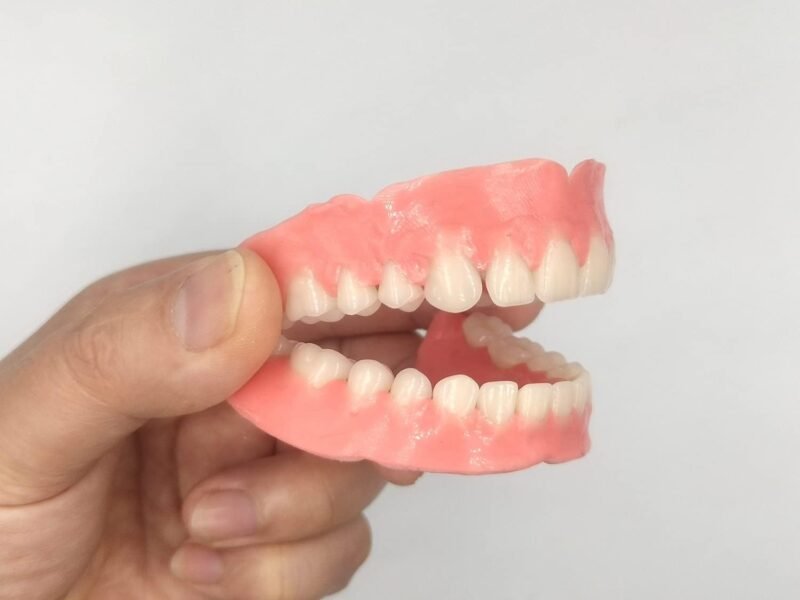
The denture consists of two main parts: the base made of acrylic or combined with a metal framework, which rests on the gums; and the prosthetic teeth attached to the base, replacing the lost natural teeth.
-
Pros: Low cost, quick to fabricate, non-invasive to adjacent teeth, often suitable for older adults or those not healthy/financially able to pursue Implants.
-
Cons: Weak chewing power (only about 30-40% of natural teeth), causes bulkiness and inconvenience. Most importantly, removable dentures cannot prevent jawbone resorption because the chewing force is not transmitted to the bone.
2. Dental Bridge: Aesthetic Restoration and Basic Chewing Function
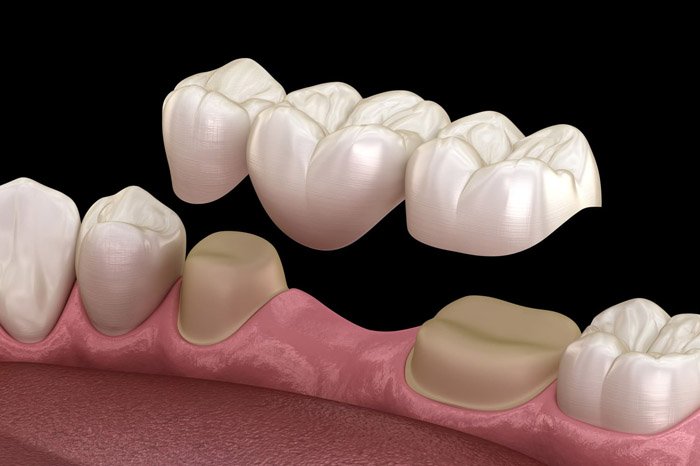
This method uses two natural teeth on either side of the missing gap as abutments to support a series of porcelain crowns, including a prosthetic tooth to replace the lost one.
-
Pros: Fixed teeth, high aesthetic appeal, better chewing power than dentures (about 70-80%).
-
Cons: Requires grinding down adjacent healthy abutment teeth, increasing the risk of damaging these teeth in the future. Similar to dentures, a dental bridge also does not prevent underlying jawbone resorption. The average lifespan of a dental bridge is 7–10 years, depending on the quality of the porcelain and care routine.
3. Dental Implant Placement: The Optimal Restoration Solution
This is considered the most comprehensive and modern missing tooth restoration solution available today. A Titanium Implant post (a highly biocompatible material) is surgically placed into the jawbone to replace the lost tooth root. After the Implant post solidly integrates with the bone, a porcelain crown is attached on top to complete the process.
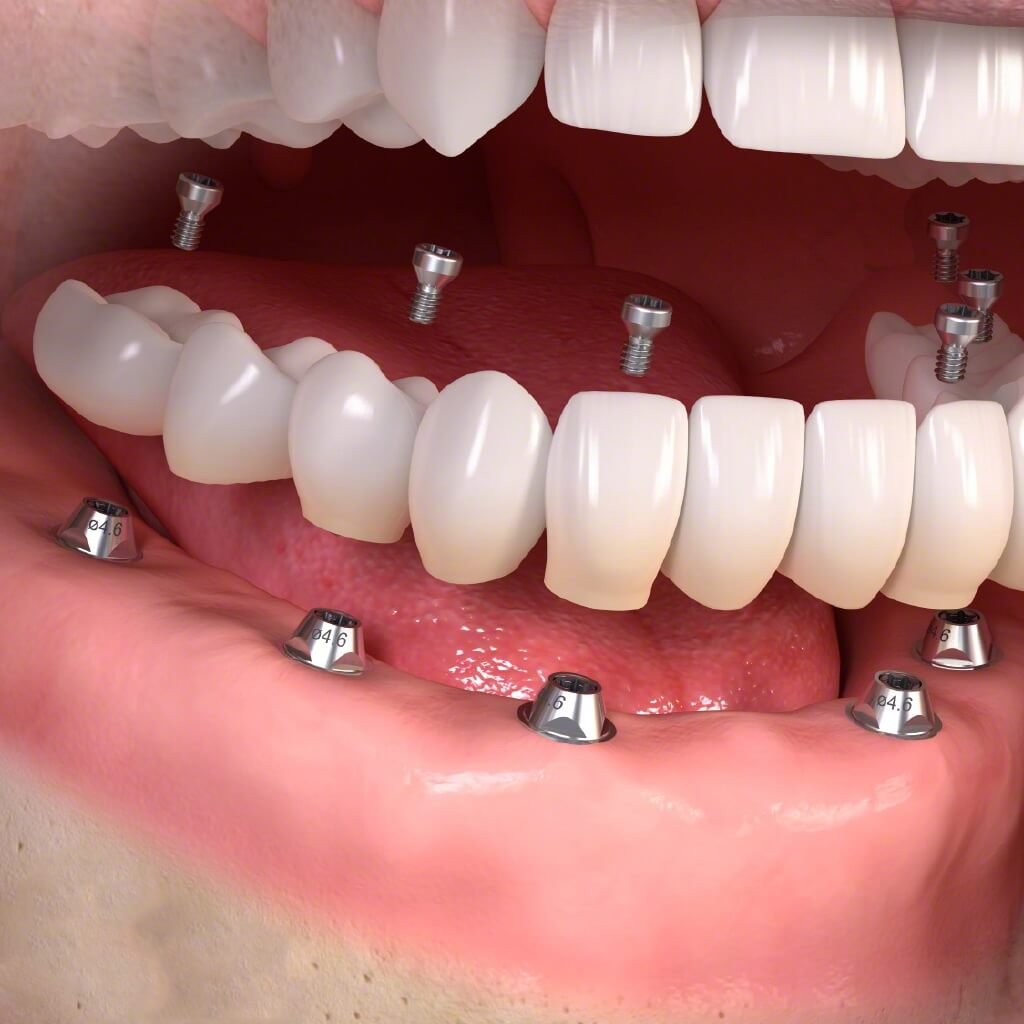
Dental Implant placement offers numerous superior advantages over removable dentures and dental bridges:
-
Prevents Jawbone Resorption: The Implant post acts like a natural tooth root, transmitting chewing forces to the jawbone, helping to maintain bone density.
-
Restores Chewing Function to nearly 100%: Implant teeth are as rigid as natural teeth.
-
Perfect Aesthetics: Implant teeth have the natural shape and color of real teeth.
-
Non-Invasive to Adjacent Teeth: Maximally preserves healthy teeth.
-
Very High Durability: Can potentially last a lifetime with proper care.
However, dental Implant placement also has drawbacks: higher cost than other methods and requires time for the Implant post to integrate into the bone.
-
Note at 3C Dental Clinic: 3C Dental Clinic has developed the Immediate Loading Implant method, allowing customers to receive a temporary chewing tooth just 48 hours after surgery, compared to the average 3–6 months required for traditional Implant methods.

Preventing Tooth Loss
To avoid facing the serious consequences of tooth loss, proactively caring for and protecting your oral health from the start is crucial.
-
Proper Oral Hygiene: Brush your teeth at least twice daily, use dental floss to clean between teeth, and use mouthwash.
-
Healthy Diet: Supplement with enough calcium, vitamins, and minerals; limit sweets and highly acidic foods.
-
Regular Dental Check-ups: Visit the dentist for a general oral health check-up and scaling every 6 months to detect and treat diseases promptly.