
Can a Missing Tooth Be Fixed with a Porcelain Crown (Crowning)? This is a common question asked by many patients exploring tooth restoration methods. In reality, dental crowning is only applicable when the natural tooth has a strong root, whereas complete tooth loss requires alternative solutions. In this article, 3C Dental Clinic will help you understand why crowning is not possible for a missing tooth and introduce the most effective alternative restoration methods today.
What is Dental Crowning and When is it Applied?
Dental Crowning is a dental restoration procedure in which the dentist uses a porcelain crown to cover a natural tooth that has been trimmed (prepared) to protect and restore its shape, color, and function. The crown can be fabricated from various materials, such as porcelain-fused-to-metal, or all-ceramic materials like Zirconia or E.max, offering high durability and aesthetics.
The critical condition for dental crowning is the presence of a strong, healthy tooth root or abutment tooth. This serves as the “foundation” that keeps the crown fixed and stable during chewing. If the tooth root is too weak or entirely missing, crowning cannot be performed.
Cases Where Crowning Can Be Applied
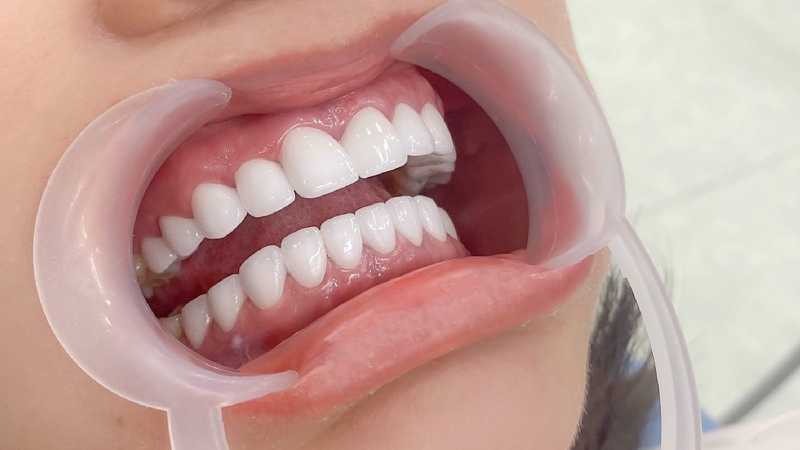
Dental crowning is typically applied in various dental situations, especially when the natural tooth still has a healthy root.
-
When the tooth is chipped, cracked, or has a fractured crown, but the root portion is still sound, crowning helps restore shape and chewing function.
-
When a tooth has severe decay and has undergone root canal treatment, crowning helps protect the remaining tooth structure and prevents fracture.
-
When aesthetic improvement is needed, for example, for discolored, irregularly shaped, gapped, or slightly protruded teeth, crowning is a quick solution for a harmonious smile.
Cases Where Crowning Cannot Be Applied
Dental crowning is not applicable for cases of complete tooth loss, because there is no remaining root to serve as the supporting post for the crown.
In this situation, the porcelain crown has no support point, making it impossible to fix securely onto the dental arch. Instead, the patient needs to choose an alternative solution such as a dental bridge, dental implant placement, or removable dentures to restore the missing tooth.
Can a Missing Tooth Be Fixed with a Porcelain Crown?
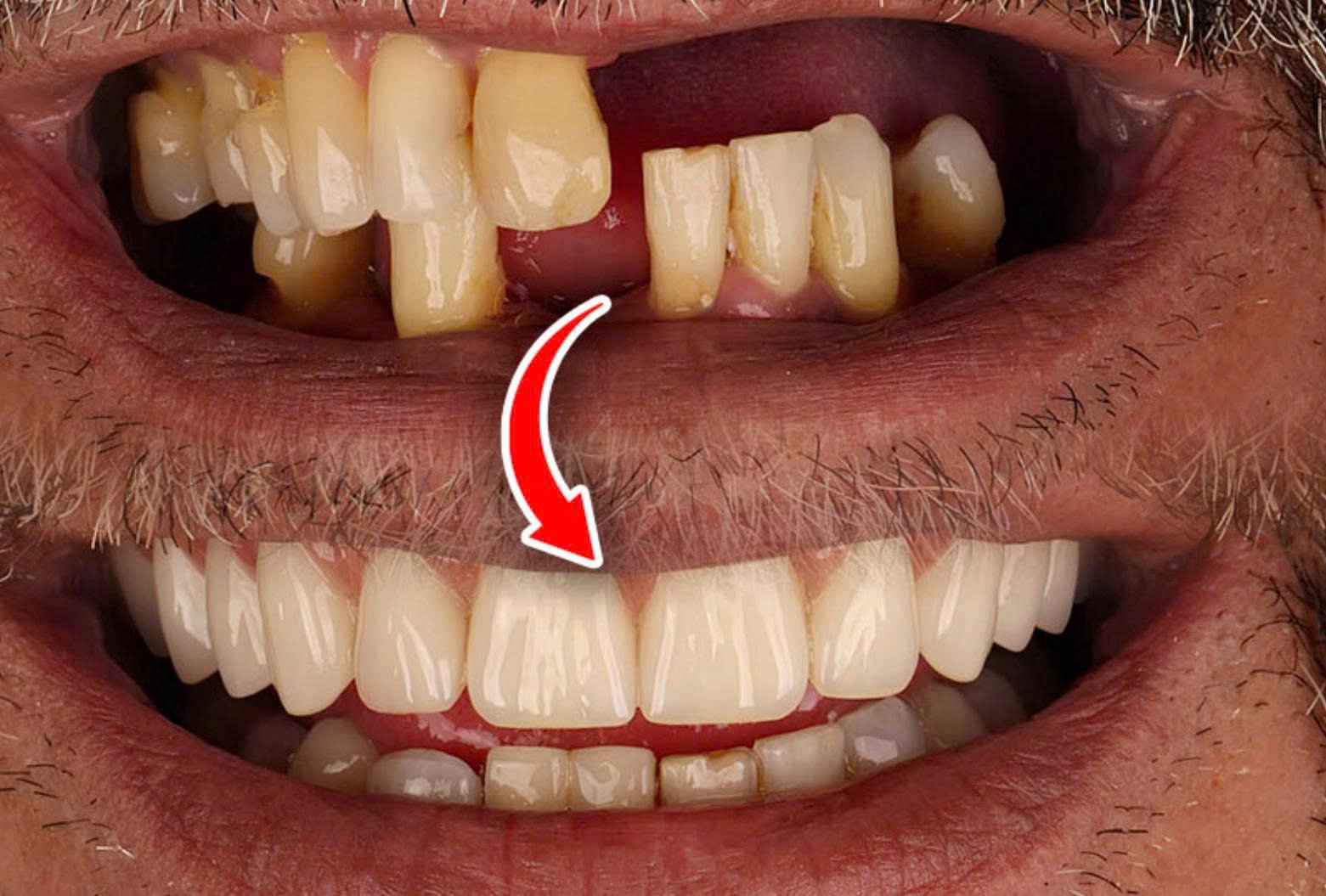
Many patients wonder: Can a missing tooth be fixed with a porcelain crown? The answer is NO. This is because dental crowning requires the presence of a strong tooth root or abutment tooth to serve as an anchor for the porcelain crown. When the tooth is completely lost and the root is gone, the crown cannot be fixed securely onto the dental arch.
The reason is simple: a porcelain crown only functions to cover and protect the remaining natural tooth structure. In the case of tooth loss, this foundation does not exist, making crowning infeasible. If attempted, the crown will lack stability, easily fall off, and cannot ensure proper chewing function.
Instead, individuals with missing teeth must choose other restoration solutions such as a dental bridge, dental implant placement, or removable dentures. These methods not only replace the missing tooth but also restore chewing function and ensure long-term aesthetics.
In summary, if you are still wondering “can a missing tooth be fixed with a porcelain crown,” the accurate answer is NO. Instead, look for more suitable alternatives for effective and safe missing tooth restoration.
Alternative Solutions to Crowning for Missing Teeth
When a tooth is completely lost, the “dental crowning” solution is no longer appropriate. Instead, the dentist will recommend three common restoration methods: dental bridge, dental implant placement, and removable dentures. Each method has its own pros and cons, suiting different patient conditions and needs.
1. Dental Bridge
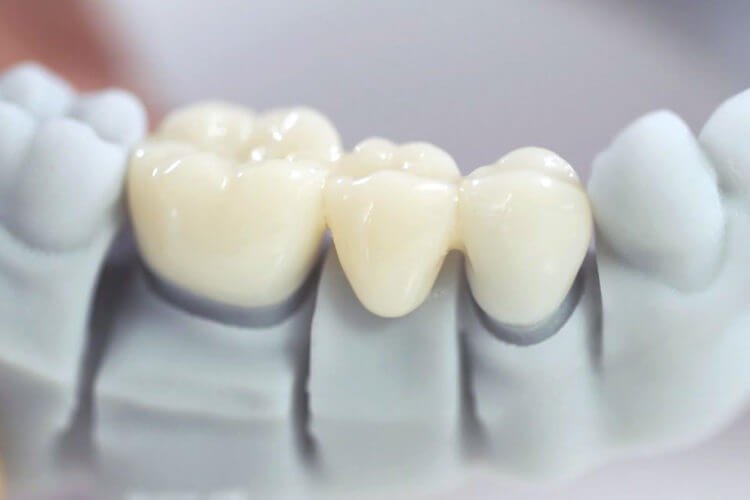
A dental bridge is a fixed restoration method that uses the two adjacent teeth (usually healthy natural teeth) as abutments. The dentist will trim these two abutment teeth and then fit a linked porcelain crown, which includes a false tooth in the middle to replace the missing one.
-
Pros: Quick restoration time, reasonable cost, high aesthetics. Patients can restore their smile in just a few days.
-
Cons: Requires grinding down healthy teeth, which affects their natural structure. Furthermore, a dental bridge cannot prevent jawbone resorption in the long term.
2. Dental Implant Placement
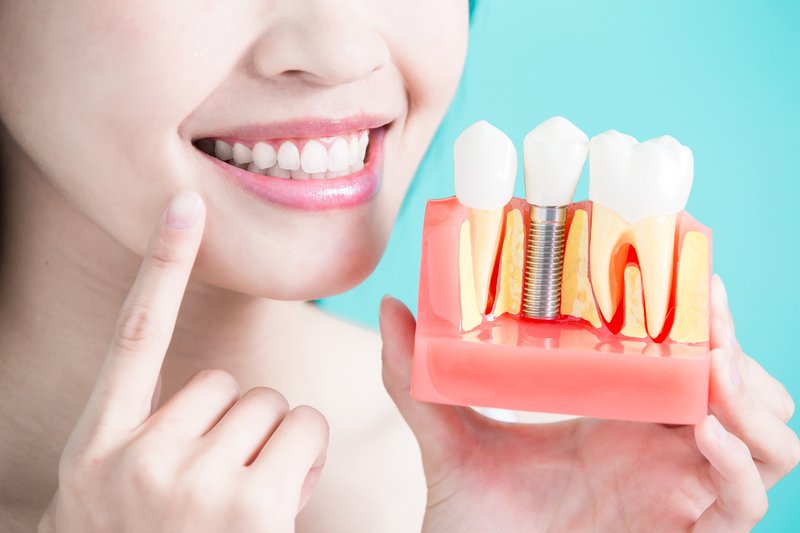
Dental Implant placement is the most modern and optimal solution for restoring missing teeth. This method involves surgically placing a Titanium post directly into the jawbone at the missing tooth site, then attaching a porcelain crown on top to complete the artificial tooth.
-
Pros: Implant teeth have a structure and function almost identical to natural teeth, are independent, and do not invade adjacent teeth. Critically, Implants prevent jawbone resorption and have a long lifespan, potentially lasting a lifetime with proper care.
-
Cons: Higher cost than other methods and requires a highly skilled doctor. In cases of severe bone loss, the patient may need a bone graft before placement.
3. Removable Dentures
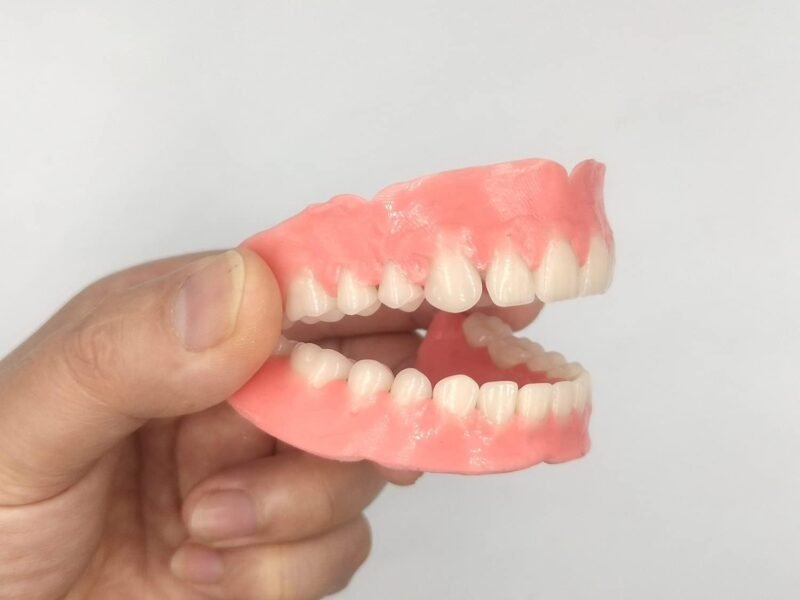
Removable dentures are a traditional restoration method, often chosen for their low cost. The dentist fabricates the prosthetic tooth using acrylic or attached to a metal framework to fit into the missing tooth gap.
-
Pros: Cost-effective, easy to remove and clean, suitable for older adults or patients not ready to invest in Implants.
-
Cons: Low aesthetics, can feel cumbersome when chewing, and must be frequently removed for cleaning. In the long term, dentures also do not prevent jawbone resorption.
Thus, the question, “can a missing tooth be fixed with a porcelain crown?” has a clear answer: no. Instead, patients can consider the three alternative solutions, with Dental Implant placement being considered the optimal choice for long-term aesthetics, durability, and health.
Cost of Alternatives to Crowning for Missing Teeth
The cost of missing tooth restoration depends on various factors such as the treatment method, the number of missing teeth, the crown material, and the doctor’s expertise. Below are the reference costs for the three common solutions: removable dentures, dental bridges, and dental implants.
Removable Dentures
This method has the lowest cost. Prices usually vary depending on the type of acrylic or metal framework used. The advantage is cost-effectiveness and suitability for elderly patients; however, aesthetics and convenience are limited.
Dental Bridges
Dental bridges have a medium cost, primarily dependent on the chosen porcelain crown material. Common porcelain types include porcelain-fused-to-metal, Titanium porcelain, all-ceramic Zirconia, or E.max. Dental bridges offer high aesthetics and quick treatment time, but require grinding the two adjacent teeth as abutments, and do not prevent jawbone resorption.
Dental Implant Placement
Implants are the method with the highest cost but offer superior and sustainable effectiveness. The price depends on the type of Implant post (US, German, Korean…), the porcelain crown material, and the patient’s jawbone condition. In some cases of bone loss, the doctor may require bone grafting, increasing the total treatment cost. However, Implants preserve natural teeth, prevent bone loss, and can last a lifetime with proper care.
Factors Affecting Cost
Besides the restoration method, cost is also influenced by several factors:
-
Number of Missing Teeth: The more teeth lost, the higher the restoration cost.
-
Crown Material: High-end all-ceramic crowns will be priced higher than metal-fused porcelain.
-
Dental Technique: The doctor’s skill and the technology used directly affect the quality of the restoration.
-
Warranty and Care Policy: Reputable dental clinics usually have transparent pricing, accompanied by long-term warranty policies, providing peace of mind to customers.
3C Dental Clinic – The Optimal Restoration Solution for Missing Teeth
For effective missing tooth restoration, choosing a reputable dental clinic plays a decisive role. A quality clinic not only ensures safety during treatment but also provides long-term aesthetic results and durability for the customer.
At 3C Dental Clinic, we pride ourselves on being a specialized center for aesthetic porcelain restoration and Dental Implant placement, with many outstanding advantages:
-
Experienced Doctor Team: The doctors at 3C Dental Clinic are deeply trained, regularly update advanced techniques, especially in the field of Implants and porcelain crowns.
-
Modern Technology: Utilization of 3D Cone Beam CT scanners, digital smile design software, and international standard Implant systems, ensuring accurate diagnosis and safe restoration.
-
Genuine Materials: All porcelain crowns and Implant posts are imported from globally reputable brands, with transparent documentation and clear warranties.
-
Absolute Sterilization Protocol: Adherence to strict infection control standards, ensuring a completely safe environment for customers.
-
Dedicated Service: Detailed consultation support, close monitoring after treatment, and providing a comfortable experience throughout the restoration process.

3C Dental Clinic is committed not only to restoring missing teeth with durability but also to bringing a natural, radiant smile to our customers.