
The second molar (Tooth #7) is one of the large back teeth that plays a primary role in chewing and grinding food. When the lower second molar (Tooth #7) is lost, the patient not only faces difficulty eating but also runs the risk of bite misalignment, jawbone resorption, and impacted facial aesthetics. This article will analyze in detail the causes, consequences, and the optimal restoration solution for Tooth #7 loss.
Characteristics of Tooth #7
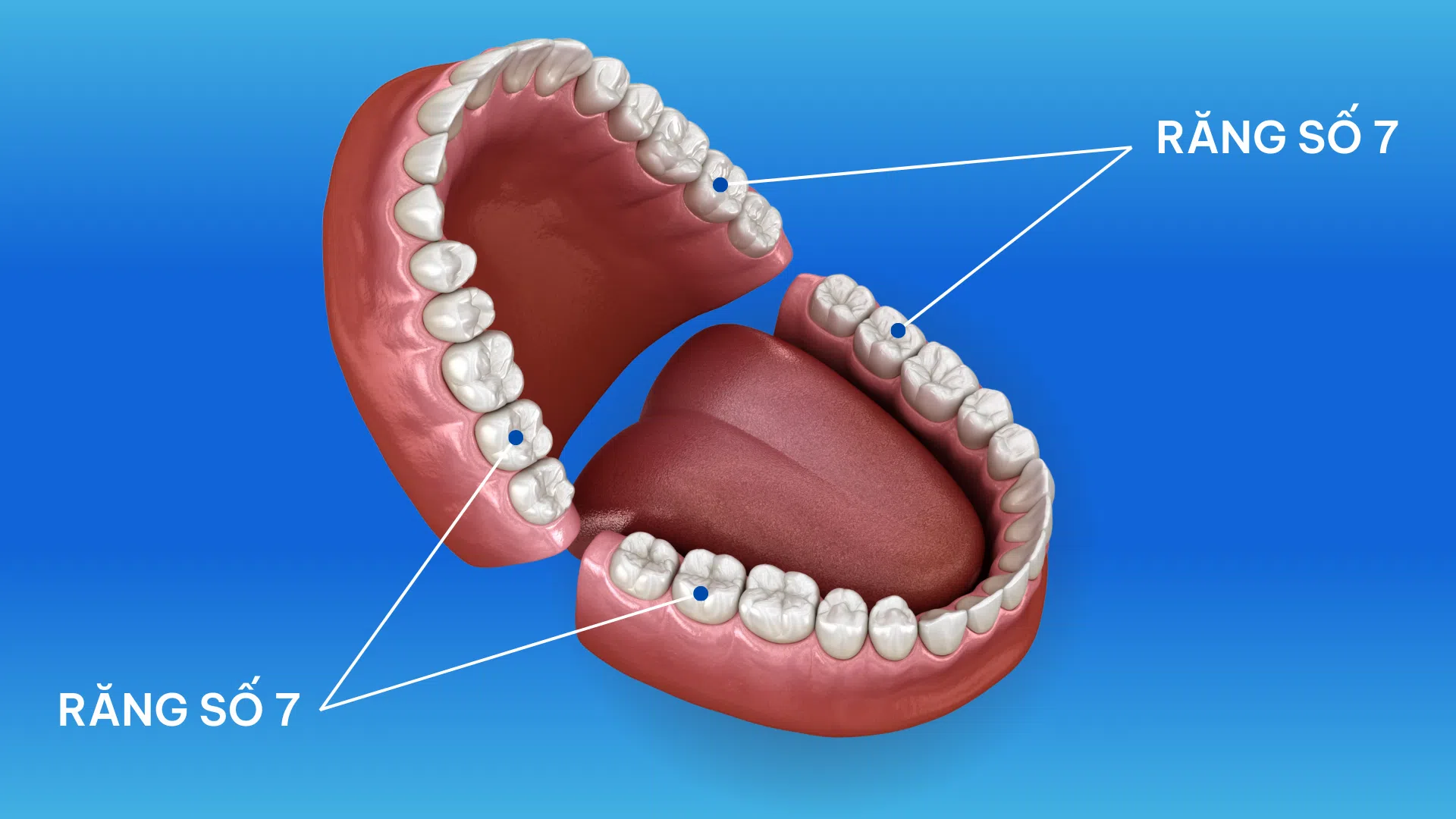
Tooth #7 (or the second large molar) is located next to Tooth #8 (wisdom tooth), typically erupting when children are 12–13 years old. This is a large-sized tooth with a wide chewing surface and multiple cusps, which helps to grind and break down food before swallowing. Structurally, Tooth #7 has a strong crown and multiple roots anchored deep into the jawbone, increasing its ability to withstand chewing forces. Because it handles the primary chewing role, Tooth #7 is often prone to decay, pulpitis, or fracture if not properly cared for.
Causes of Lower Tooth #7 Loss
Severe Tooth Decay
Tooth #7 has a wide chewing surface and multiple grooves, which are prone to trapping food and plaque. If oral hygiene is poor, bacteria will thrive, causing tooth decay. At a severe stage, decay spreads to the pulp, destroying the tooth structure, making the tooth brittle and fractured, necessitating extraction.
Periodontal Disease (Gum Disease)
Periodontal disease often stems from long-term plaque (tartar) that has not been cleaned. As the disease progresses, the gums and ligaments around the tooth are destroyed, causing Tooth #7 to become loose and gradually lose its anchorage. This is one of the common causes of tooth loss in adults.
Accidents and Trauma
Strong impacts in daily life, sports, or traffic accidents can cause Tooth #7 to crack, fracture horizontally across the crown or root. In many cases, the tooth cannot be restored with fillings or crowns, and the dentist must mandate extraction.
Extraction Due to Misaligned Eruption or Chronic Pulpitis
In some cases, Tooth #7 loss is a complication arising from an impacted wisdom tooth (Tooth #8) or prolonged pulpitis that was not treated promptly. When the tooth pulp is necrotic and the infection has spread, preservation is nearly impossible. At this point, the removal of Tooth #7 is a necessary solution to avoid the risk of spreading the infection to other teeth.
Consequences of Lower Tooth #7 Loss
Impact on Chewing Ability
Tooth #7 plays a primary role in food grinding. When it is lost, the chewing force is significantly reduced, making it difficult for the patient to eat hard or tough foods like meat, nuts, and high-fiber vegetables. In the long run, this leads to digestive disorders because food is not thoroughly ground before swallowing.
Bite Misalignment and Temporomandibular Joint Disorder (TMD)
When Tooth #7 is lost, the opposing teeth and adjacent teeth tend to shift to fill the gap. This shift changes the bite (occlusion), which can cause pain, jaw muscle fatigue, and even lead to Temporomandibular Joint Disorder (TMD), affecting speech and chewing habits.
Jawbone Resorption
After tooth loss, the alveolar bone no longer receives the stimulating chewing force and gradually resorbs. The condition of jawbone resorption causes the gums to sink, affecting the feasibility of future restorations, especially when considering Dental Implant placement.
Impact on Facial Aesthetics
Although Tooth #7 is located in a posterior position and does not directly affect the smile, long-term jawbone resorption will cause the face to look sunken and the cheek area to droop. This makes the face look prematurely aged and unbalanced.
Increased Risk of Other Oral Diseases (Additional)
The missing tooth space is an area where food debris and bacteria easily accumulate, creating conditions for tooth decay and periodontitis to develop on adjacent teeth. If not treated early, the risk of losing more teeth is very high.
Restoration Solutions for Lower Tooth #7 Loss
Dental Bridge
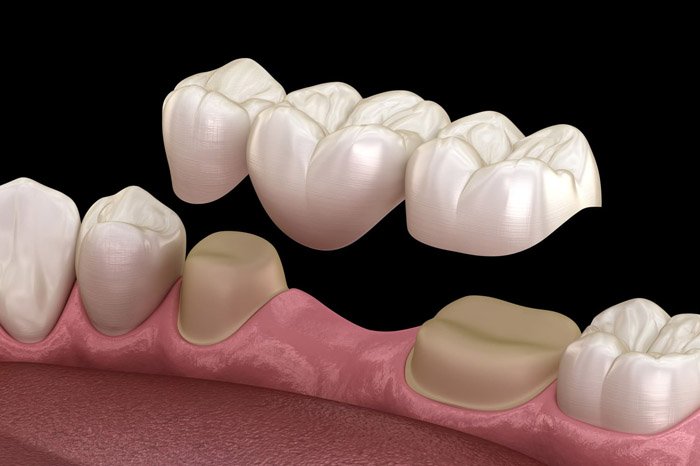
A dental bridge is a traditional tooth restoration method, commonly used when the lower Tooth #7 is lost. The dentist will grind down the two adjacent teeth to serve as abutments, then attach a fixed porcelain bridge.
-
Pros: Quick procedure time (about 2–3 days), lower cost than Implants.
-
Cons: Requires grinding down healthy teeth, causing damage to healthy tooth structure; does not prevent jawbone resorption; average lifespan of 7–10 years.
Removable Dentures
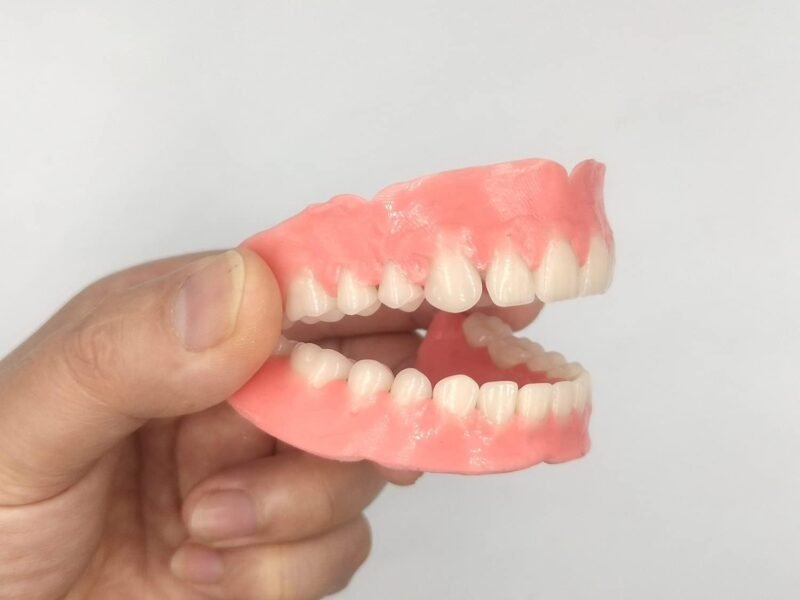
This is a temporary restoration solution for Tooth #7, often applied to older adults or those whose health conditions are not suitable for Implant surgery. Removable dentures consist of an acrylic (or metal) base attached to an artificial tooth, which can be easily taken in and out.
-
Pros: Inexpensive, easy to implement.
-
Cons: Poor chewing ability, causes a bulky feeling, prone to bad breath, requires frequent removal for cleaning; does not prevent jawbone resorption.
Dental Implant Placement
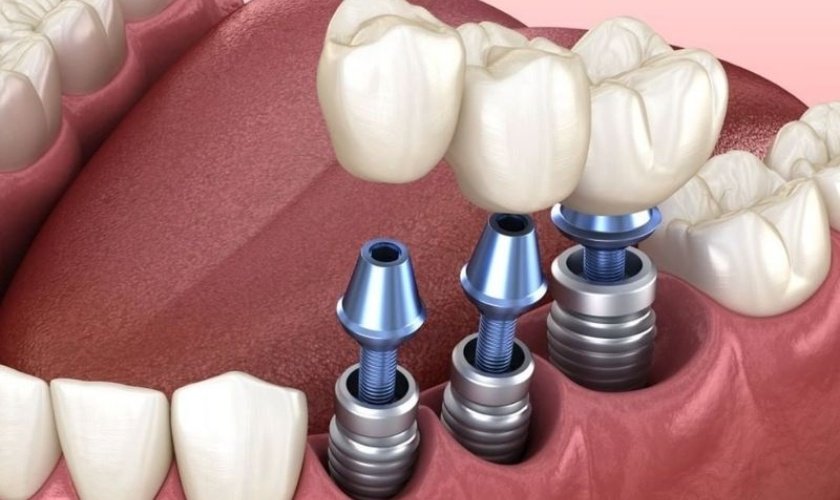
Implant placement for Tooth #7 is the most modern and optimal restoration method today. The dentist places a titanium Implant post into the jawbone to replace the lost tooth root, then attaches a porcelain crown to restore the tooth crown.
-
Pros: Chewing ability is almost like a natural tooth, lifespan can be lifelong, does not affect adjacent teeth, effectively prevents jawbone resorption.
-
Cons: Higher cost compared to dental bridges and removable dentures; treatment time takes 2–6 months depending on the jawbone condition.
Comparison of Tooth #7 Restoration Methods
When restoring the lower second molar (Tooth #7), patients have three main options: removable dentures, dental bridges, and Dental Implants. Each method presents distinct trade-offs regarding cost, durability, aesthetics, and long-term health impact.
Cost
The cost of restoring Tooth #7 using removable dentures is typically the lowest, making it suitable for older adults or those seeking a temporary solution. The dental bridge falls into the medium price range, which varies depending on the type of porcelain used. Dental Implant placement for the lower Tooth #7 has the highest initial cost, but this method offers long-term effectiveness, which can save money in the long run by avoiding frequent replacements.
Durability and Lifespan
Removable dentures generally function well for only 3–5 years because the acrylic base can wear down and the jawbone continues to resorb over time. A dental bridge is more durable and can last 7–10 years with proper care. However, Dental Implant placement for Tooth #7 can last a lifetime, as the Implant post integrates firmly with the jawbone, and the porcelain crown has hardness close to that of a natural tooth.
Aesthetics and Convenience
Removable dentures are often bulky, can cause discomfort when eating, and offer limited aesthetic appeal. A dental bridge provides better restoration in terms of appearance but requires grinding down healthy adjacent teeth, which can lead to sensitivity over time. In contrast, Implant restoration for Tooth #7 offers high aesthetics, with the porcelain crown having a natural color that harmonizes with the surrounding teeth. The patient experiences complete comfort when chewing and speaking, without the discomfort or shifting associated with daily removal or wearing of dentures. The key advantage of the Implant is its ability to prevent jawbone resorption, an essential factor that neither dentures nor bridges can address.
Dental Implant Placement – The Optimal Solution for Lower Tooth #7 Loss
Restores Chewing Ability Like a Natural Tooth
Implant placement for Tooth #7 restores both the tooth root and the crown, providing a natural chewing sensation almost like a real tooth. The titanium Implant post integrates with the jawbone, withstands force well, and effectively grinds food, which other methods struggle to match.
Prevents Jawbone Resorption
Unlike removable dentures or dental bridges, the Implant replaces the natural tooth root, transmitting chewing force to the jawbone. As a result, the jawbone is constantly stimulated and maintains its density, preventing the bone resorption process commonly seen after lower Tooth #7 loss.
Preserves Adjacent Natural Teeth
With a dental bridge, the dentist is forced to grind down the two adjacent teeth to serve as abutments. In contrast, Implant placement for Tooth #7 is entirely independent, without encroaching on surrounding teeth, maximizing the preservation of healthy natural teeth.
High Durability and Lifespan
If cared for properly, an Implant can last a lifetime. The Implant post is made of pure titanium, possessing excellent corrosion resistance and biocompatibility. This is a major advantage over dental bridges (7–10 years) or removable dentures (3–5 years).
Aesthetics and Comfort
Restoration of Tooth #7 with an Implant attached to a porcelain crown results in a natural shape and color, harmonizing with the natural teeth. The patient is completely comfortable when chewing and speaking, without the sensation of bulkiness or instability often experienced with removable dentures.
Reputable Dental Clinic for Tooth #7 Restoration in Ho Chi Minh City
When choosing a location for lower Tooth #7 restoration, the most critical factors are the doctor’s expertise, modern Implant technology, and post-treatment care policy. In Ho Chi Minh City, 3C Dental Clinic is one of the reputable addresses trusted by many customers over the years.
3C Dental Clinic boasts a team of doctors specializing in Tooth #7 Implant placement, trained thoroughly both domestically and internationally. The clinic is equipped with a 3D Cone Beam CT machine system and modern Implant simulation software, ensuring the Implant procedure is accurate and safe. Furthermore, all Implant posts at 3C are genuine imports from various brands to suit the specific jawbone condition and financial capacity of the patient.
Beyond strong expertise,3C Dental Clinic also focuses on the customer experience. The examination and consultation process is transparent, costs are clear, and the long-term warranty policy gives patients absolute peace of mind when choosing the clinic. This is the ideal destination for those seeking Tooth #7 restoration with sustainable effectiveness, high aesthetics, and absolute safety.

Loss of the lower second molar (Tooth #7) not only causes difficulty in chewing but also leads to many consequences such as bite misalignment, jawbone resorption, and affected facial aesthetics. Currently, there are various methods for Tooth #7 restoration like dental bridges and removable dentures, but Dental Implant placement for Tooth #7 remains the optimal, most sustainable, and safest solution. To achieve the best results, patients should choose a reputable dental clinic like 3C Dental Clinic in Ho Chi Minh City for professional examination and treatment.