
Molar tooth loss severely affects chewing, digestion, and aesthetics. Learn about the causes, consequences, and comprehensive restoration solutions: dentures, dental bridges, and Implants.
Molar teeth (back teeth) play a pivotal role in grinding food, facilitating the digestive process. When molars are lost, whether it’s lower molar loss, upper molar loss, or long-term molar loss, patients not only struggle with chewing but also face the risk of bone resorption, facial deformation, and decreased quality of life. Understanding the causes, consequences, and modern dental restoration solutions is a crucial step toward comprehensive oral health protection.
The Important Function of Molars in Chewing
Molars are a group of large teeth located at the back of the dental arch, responsible for the primary function of grinding and processing food before swallowing. Thanks to their wide surfaces and multiple cusps, molars help break down food into smaller pieces, reducing the burden on the stomach and supporting the digestive system’s efficiency.
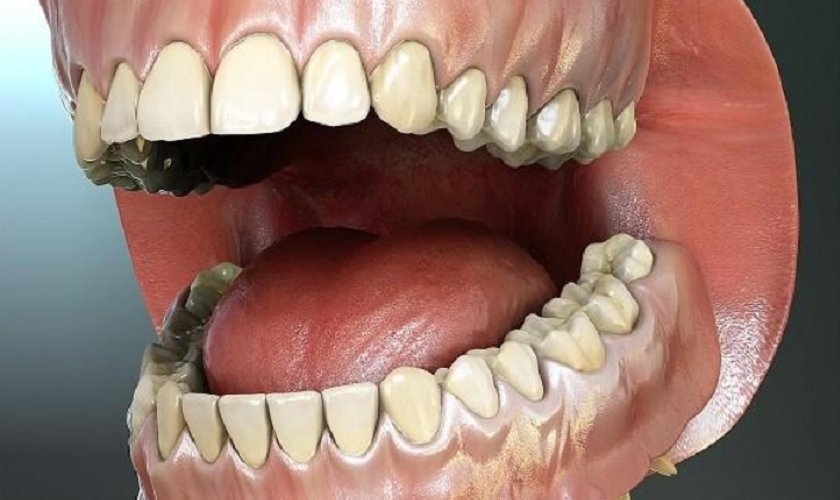
Additionally, molars play a role in maintaining jawbone structure and bite balance. When molars are lost, the distribution of chewing forces changes, easily leading to bite misalignment, affecting facial aesthetics and speech articulation. In cases of long-term molar loss without timely restoration, the consequences can be more severe, causing jawbone resorption and premature aging.
Common Causes Leading to Molar Loss
Molar loss is not uncommon and can occur in both young and older adults. Here are the most frequent causes:
Tooth Decay and Periodontal Disease
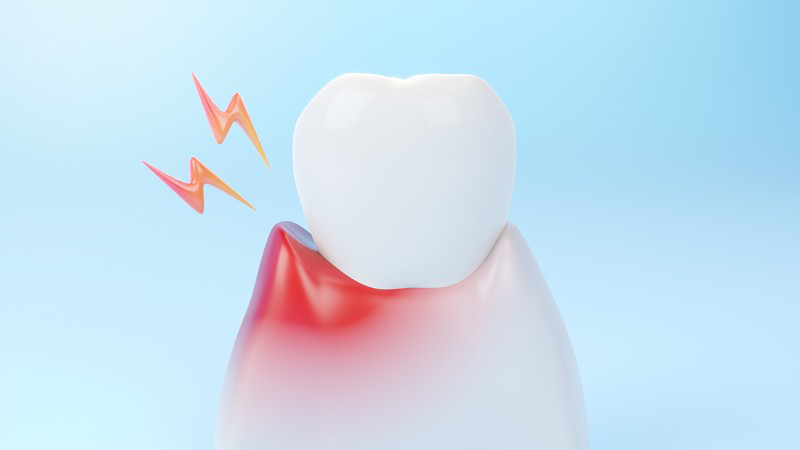
Untreated tooth decay for a long time will spread to the pulp, causing infection and destroying the tooth structure. Meanwhile, periodontal disease damages the gums and alveolar bone, causing the tooth to loosen and eventually fall out. This is the leading cause of molar loss, especially in people who do not focus on proper oral care.
Accidents and Trauma to the Oral Area
Strong impacts from traffic accidents, sports injuries, or daily trauma can cause molars to fracture, crack, or be knocked out of the dental arch. If not treated early and correctly, the tooth is difficult to preserve, leading to permanent loss.

Bad Habits: Teeth Grinding, Smoking, Poor Oral Hygiene
Teeth grinding (bruxism) during sleep causes enamel wear and tooth cracking, eventually leading to molar fracture. Smoking not only stains the teeth but also weakens the gum and alveolar bone system, increasing the risk of periodontitis. Poor oral hygiene habits, such as superficial brushing, not using dental floss, or not getting regular dental cleanings, also lead to plaque accumulation, creating conditions for bacteria to attack the molars.
Age and Congenital Factors
With advanced age, the jawbone and gum tissues gradually weaken, making teeth prone to loosening and falling out. Additionally, certain congenital factors such as weak enamel, crooked teeth, or unstable jawbone structure also increase the risk of early molar loss.

Consequences of Molar Tooth Loss
Molar loss is not merely the absence of one tooth. Whether it is lower molar loss, upper molar loss, or a long-term molar loss situation, patients face multiple serious consequences regarding both health and aesthetics.
Affects Chewing Ability and Digestion
Molars handle the primary function of grinding food. When molars are lost, the chewing force is significantly reduced, meaning food is not finely ground before reaching the stomach. This puts great pressure on the digestive system, easily leading to stomach and colon disorders and reduced nutrient absorption.
Bite Misalignment and Facial Deformation
When one or more molars are lost, adjacent teeth tend to tilt into the gap, causing bite misalignment. In the long term, this affects the facial structure, causing imbalance and slight deformation in the cheek and chin areas. Specifically, cases of lower molar loss often cause the face to sag, while upper molar loss can easily cause sunken cheeks.
Jawbone Resorption and Premature Aging
After molar loss, the alveolar bone no longer bears the chewing force, so it gradually resorbs. This bone resorption process occurs silently, causing the jaw to recede, cheeks to become sunken, and the face to appear older than the actual age. For those with long-term molar loss who do not seek restoration, the signs of facial aging will be very obvious.
Impact on Psychology, Communication, and Confidence
Beyond affecting chewing, molar loss also makes patients feel less confident in communication. Speech articulation can be impaired, especially when multiple molars are lost, thereby reducing the quality of life and causing psychological stress.
Current Molar Restoration Methods
To address molar loss, modern dentistry offers several restoration solutions with different pros and cons. The choice of method depends on the number of teeth lost, the location (lower or upper molar loss), and the condition of the jawbone and the patient’s overall health.
Removable Dentures
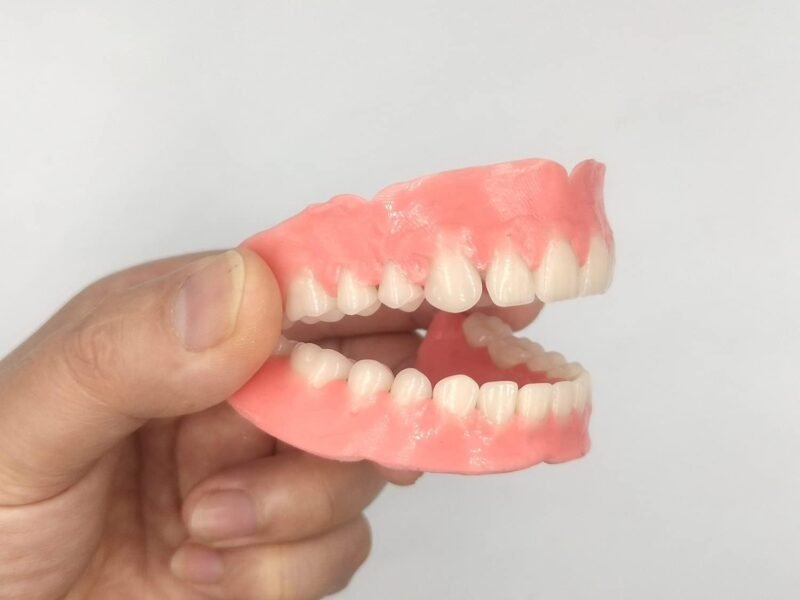
Removable dentures are a traditional restoration method, often applied to the elderly or those with multiple molar losses simultaneously. The advantage of this method is its low cost and ease of removal for cleaning. However, the drawbacks include unstable chewing ability, easily feeling bulky and loose, and not preventing jawbone resorption.
Dental Bridge
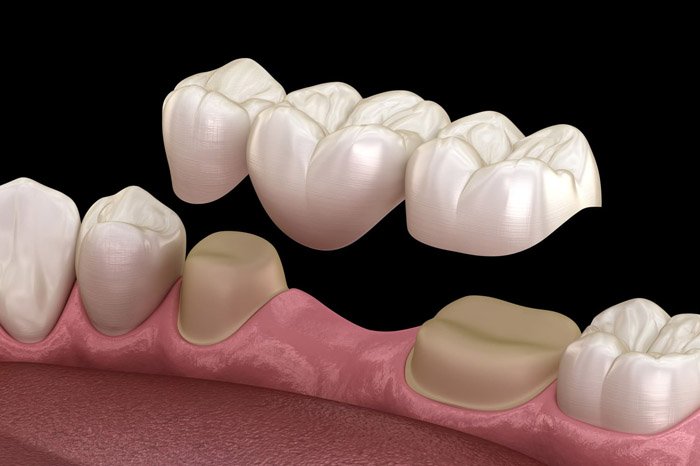
A dental bridge is applied when one or a few molars are lost, by grinding down the natural teeth on both sides of the gap to serve as abutments, and then placing a fixed porcelain bridge. The advantage is high aesthetics and chewing function close to natural teeth. However, this method is not suitable for long-term molar loss or when significant jawbone resorption has occurred, and it also affects the abutment teeth due to grinding.
Dental Implant Placement – The Optimal Solution
Dental Implant placement is considered the most advanced and comprehensive molar restoration method today. The Implant post is placed directly into the jawbone, replacing the lost tooth root, which helps maintain bone density, prevent bone resorption, and ensure chewing ability like natural teeth. Importantly, Implant placement is suitable for upper molar loss, lower molar loss, and even cases of long-term molar loss after bone grafting or sinus lift (if needed).
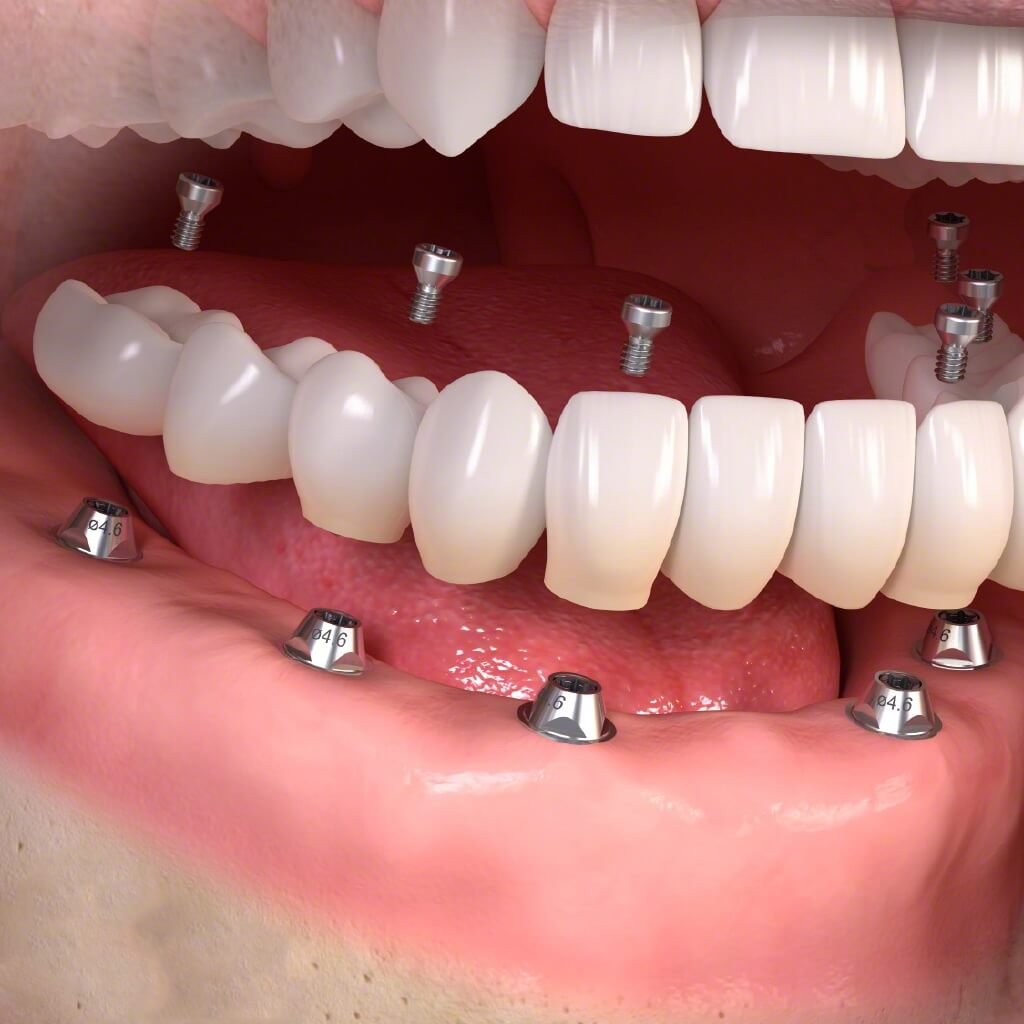
Although the cost is higher than other methods, Implants are still considered the optimal solution due to their durability, long lifespan, and superior restoration effectiveness.
Which Method Should Be Chosen for Molar Loss?
The choice of molar restoration solution cannot be universally applied to everyone, but must be based on the specific tooth loss situation, oral health, age, and financial condition.
-
Recent Lower or Upper Molar Loss: If jawbone resorption is not significant, a dental bridge or Dental Implant placement can be performed. However, Implants are prioritized because they do not affect adjacent natural teeth.
-
Long-Term Molar Loss: This often involves bone resorption and sunken cheeks, requiring bone grafting or sinus lift before Implant placement. Removable dentures can still be used, but should only be considered a temporary solution.
-
Elderly Individuals, Unfit for Implant Surgery: Removable dentures are an economical and less invasive option.
-
Young Adults, Requiring Long-Term Restoration: Dental Implant placement is the optimal solution, ensuring stable chewing, aesthetics, and sustainability.
Dental experts recommend that whether it’s upper, lower, or long-term molar loss, restoration as early as possible will help limit bone resorption and maintain facial aesthetics. Among the options, Dental Implant placement is the most highly rated method today because it rebuilds the tooth almost perfectly in both form and function.
However, to make the right decision, the patient needs to be examined, X-rayed, and have their jawbone condition thoroughly evaluated by a doctor. Only then can the appropriate, safe, and long-lasting restoration plan be chosen.
How Much Does Molar Restoration Cost?
The cost of molar restoration is a primary concern for many patients. In reality, the price depends on the chosen method, oral condition, as well as the materials and techniques used.
-
Restoration Method: Removable dentures have the lowest cost; a dental bridge is mid-range; and Dental Implant placement has a higher cost, but provides superior chewing effectiveness, aesthetics, and a long lifespan.
-
Quantity and Position of Missing Teeth: Losing one molar will cost less than losing multiple consecutive molars. In cases of long-term molar loss with bone resorption, the cost is often higher because bone grafting or sinus lift is required.
-
Restoration Materials: The type of porcelain crown, Implant post (manufacturer, origin), or denture base directly affects the cost. Premium materials generally have better durability, aesthetics, and biocompatibility.
-
Doctor’s Expertise and Applied Technology: Experienced doctors applying modern technology (3D Implant planning, CAD/CAM in crown fabrication) will help the restoration achieve high precision and aesthetics, although the cost may be slightly higher.
-
Post-Restoration Care: Some clinics include the cost of follow-up visits, and warranty for porcelain crowns or Implant posts in the service package. This is also a factor to consider when comparing prices.
Why Choose 3C Dental Clinic for Molar Restoration?
3C Dental Clinic is a reputable facility for molar treatment and restoration, trusted by many customers. With a team of experienced doctors, modern equipment, and advanced technology, 3C Dental Clinic provides comprehensive solutions for lower molar loss, upper molar loss, and long-term molar loss cases.
-
Accurate Diagnosis: Utilizing 3D Cone Beam CT imaging technology helps precisely assess the jawbone condition and determine the optimal treatment protocol.
-
Diverse Solutions: From removable dentures, dental bridges, to advanced Dental Implant placement, suitable for the needs and financial conditions of each customer.
-
Ensures Safety & Aesthetics: International standard sterilization procedures, combined with high-quality dental materials, deliver durable, natural-looking restoration results like real teeth.
-
Clear Warranty Policy: Nha khoa 3C commits to long-term partnership, supporting maintenance and periodic checks to sustain the restoration’s effectiveness.
If you are wondering which method to choose for molar loss, visit Nha khoa 3C immediately for a direct consultation and examination with a specialist doctor.

Frequently Asked Questions About Molar Loss
Is Molar Loss Dangerous?
Yes. Molar loss not only affects chewing ability but also causes many consequences such as jawbone resorption, bite misalignment, sunken cheeks, and premature aging. If the condition persists, especially long-term molar loss, restoration will be more complex and costly.
How Long After Tooth Loss Should I Get a Replacement?
Ideally, after molar loss, you should seek restoration within 3–6 months to limit bone resorption. If you wait too long, the alveolar bone will resorb, requiring bone grafting or sinus lift before Implant placement, adding time and cost.
Does Molar Loss Cause Sunken Cheeks?
Yes. When upper or lower molars are lost, the alveolar bone gradually resorbs, leading to sunken cheeks and facial sagging. This causes the person to look older than their actual age.
Is It Necessary to Replace the Last Molar (Wisdom Tooth)?
The last molar (Tooth #8 or wisdom tooth) often does not contribute much to chewing function and can easily cause complications. If this tooth is lost, the doctor usually does not indicate restoration. However, for the other molars (Tooth #6, #7), replacement is highly necessary to ensure chewing function and aesthetics.
Is Molar Restoration Painful?
Molar restoration using modern methods like Implants is virtually painless thanks to anesthesia and supporting technology. After surgery, slight soreness or gum swelling may occur for a few days, but this quickly subsides with proper care and monitoring by the doctor.
Molar loss, whether it is lower molar loss, upper molar loss, or long-term molar loss, causes serious impacts on oral health, aesthetics, and quality of life. Delaying restoration not only impairs chewing ability but also leads to bone resorption, sunken cheeks, and premature aging.
Among current solutions, Dental Implant placement is considered the optimal method, helping to restore molars to be stable, durable, and preventing long-term complications. However, choosing the most suitable method must be based on the actual condition and thoroughly examined and advised by a specialist doctor.
At Nha khoa 3C, our experienced doctor team and modern equipment system will help you regain a strong, aesthetic set of teeth and comprehensive chewing function. With safe procedures, dedicated service, and clear warranty policies, Nha khoa 3C is committed to providing maximum satisfaction to every customer.
Book an appointment today at Nha khoa 3C for a free consultation and examination—don’t let molar loss affect your health and confidence!